


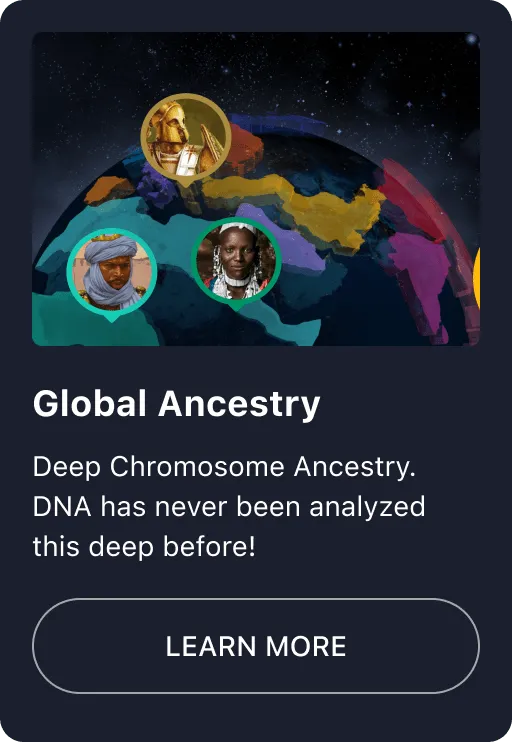




How much Neanderthal and Denisovan is in your DNA?
Discover your background by meeting your ancient ancestors from
50,000+ years ago
The report is available for Genomelink users
What does it mean to have Neanderthal or
Denisovan DNA?

Neanderthal DNA
The legacy of the Neanderthals is of contemporary concern, as
our species’ circadian rhythms, immune system, and perhaps
even build, have been shaped by these ancient ancestors.

Denisovan DNA
While the Neanderthal ancestry discovered in modern humans was
all the same, scientists found something different for
Denisovans: different populations had mixed into modern
humans, not a single group.
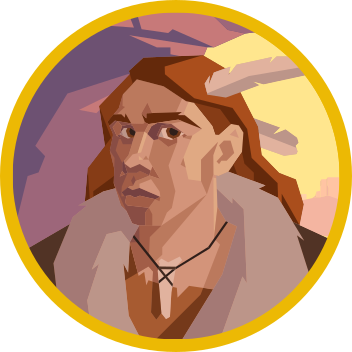
Neanderthal
In 1856, a fossil was discovered in the Neander valley of
Germany. Neanderthals were not primitive sideshows, but part
of our broader human story. They flourished for hundreds of
thousands of years between the Atlantic ocean and Mongolia.
The vast majority of humans in the world carry some
Neanderthal heritage.
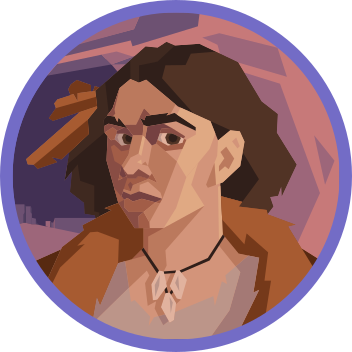
Denisovan
In 2010 whole genome of X-woman was published in Germany.
This new lineage of humans was called Denisovans, named
after Denisova cave in Siberia where it was discovered.
Denisovan ancestry was finely distributed across eastern
Eurasia, with 0.1 to 0.2% of this human population’s
ancestry to be found in East, South and Southeast Asia, as
well as in the indigenous peoples of the New World.
Your unique abilities
from Neanderthal and Denisovan
Superpowers
Which abilities could you have inherited from your distant
relatives through DNA exchange?
Appearance
What did the Neanderthals and Denisovans look like and which
features of your appearance could you have inherited from
them?
Health
Understand the influences on your hereditary health and
wellness from your ancient ancestors.
Geographical origin
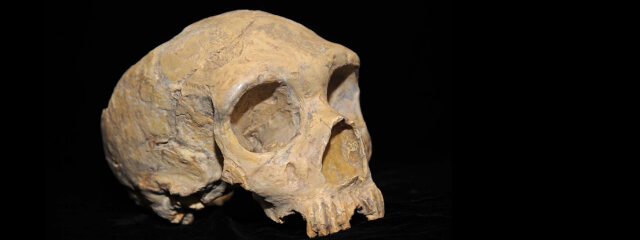
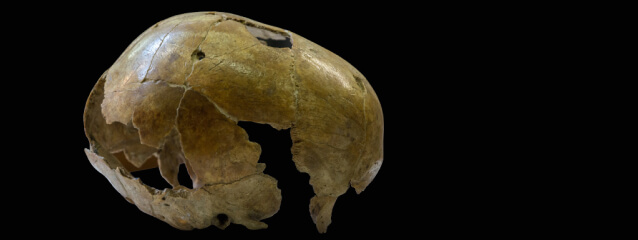
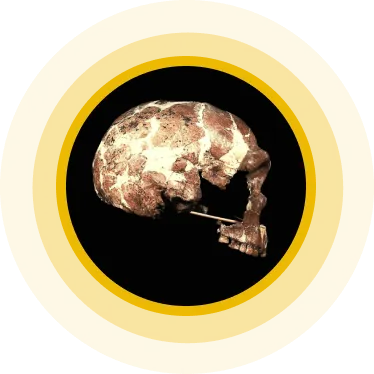
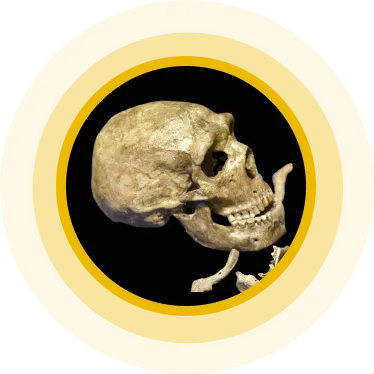
Neanderthal Skull Gibraltar 1
A skull was found during the construction of
fortifications. Forbes Quarry (Forbes Quarry), Gibraltar


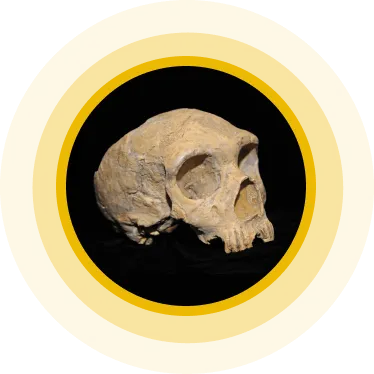
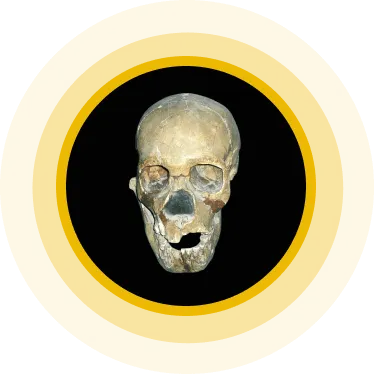
Neanderthal Skull Engis 2
F.-S. Schmerling finds several human bones, including a
severely fragmented skull of a 2-3-year-old child Anzhi
Cave, Belgium

Human tooth
Croatian researcher K. Gorjanovic-Kramberger finds a human
tooth in a cave. Krapina Cave, Croatia

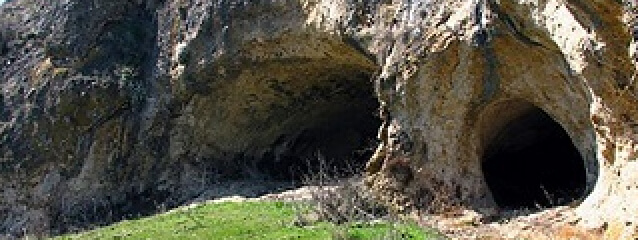
Bones and skeleton
G.A. Bonch-Osmolovsky finds the bones of the limbs of an
adult woman and the skeleton of an infant. Kiik-Koba
Grotto, Crimea
Female skeleton
D. Garrod finds a female Neanderthal skeleton. Tabun Cave,
Mount Carmel, Israel
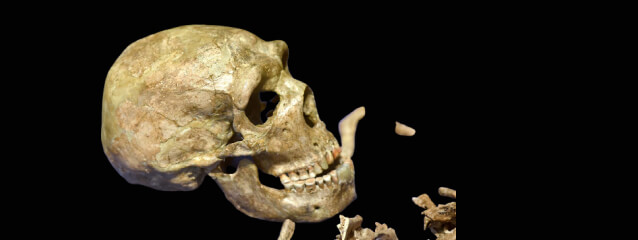
Skeletal remains
Skeletal remains of nine Neanderthals – seven adults and
two infants. Shanidar Cave, Iraq
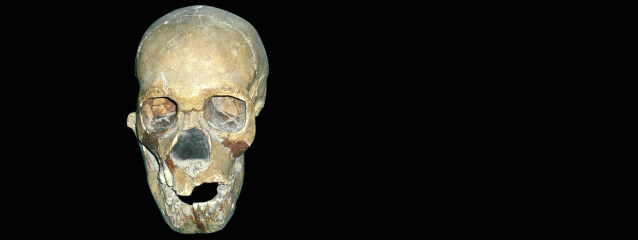
Skeletal remains
A.P. Okladnikov finds skeletal remains of a child.
Teshik-Tash Cave, Uzbekistan
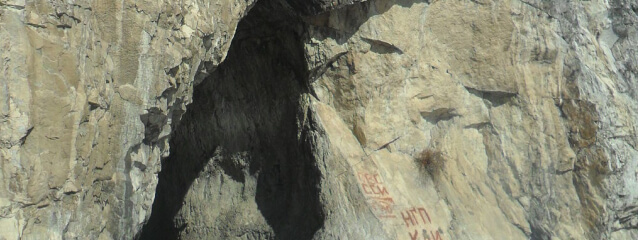
Five teeth
Archaeologists V.T. Petrin and S.V. Markin find five
teeth. Okladnikov Cave, Altai, Russia
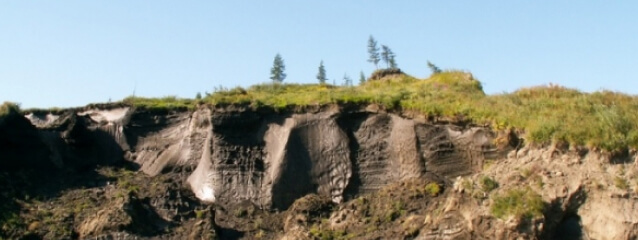
Denisovan DNA (Yanskaya parking)
Fragments of Denisovan DNA were found in the genomes of
Homo sapiens from the Yanskaya parking lot (Yakutia)

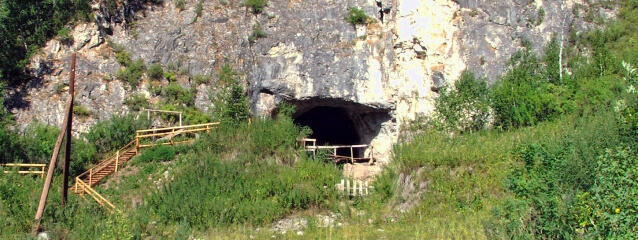
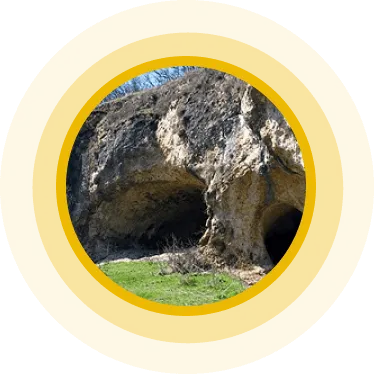
Denisova cave
Bone fragments of the Denisova hominin originate from the
cave, including
artifacts dated to around 50,000 to 30,000 years ago.
artifacts dated to around 50,000 to 30,000 years ago.

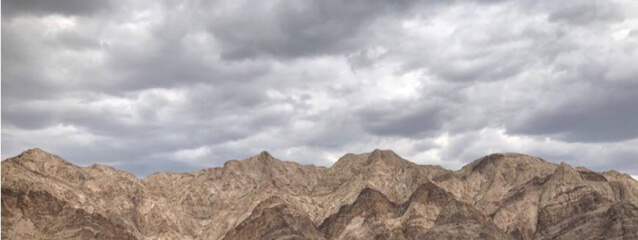
Denisovan DNA (Salkhit)
Fragments of Denisovan DNA were found in the genomes of
Homo sapiens from Salhit (Mongolia)
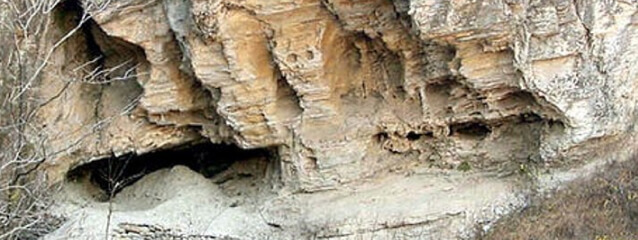
Denisovan DNA (Tianyuan)
Fragments of Denisovan DNA were found in the genomes of
Homo sapiens from Tianyuan (China)
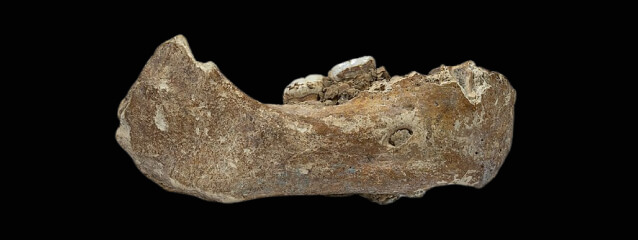
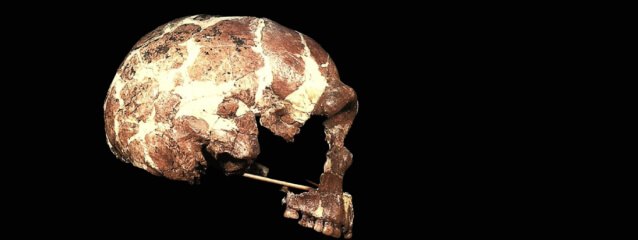
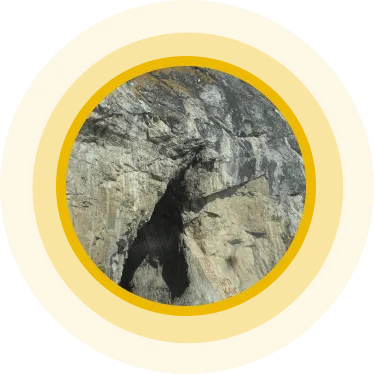
Xiahe mandible
Hominin fossil jaw (mandible) discovered in Baishiya Karst
Cave, located on the northeastern edge of the Tibetan
Plateau.


Neanderthals population

Denisovan population

The admixture
Findings

Skull

DNA (other)

Bones
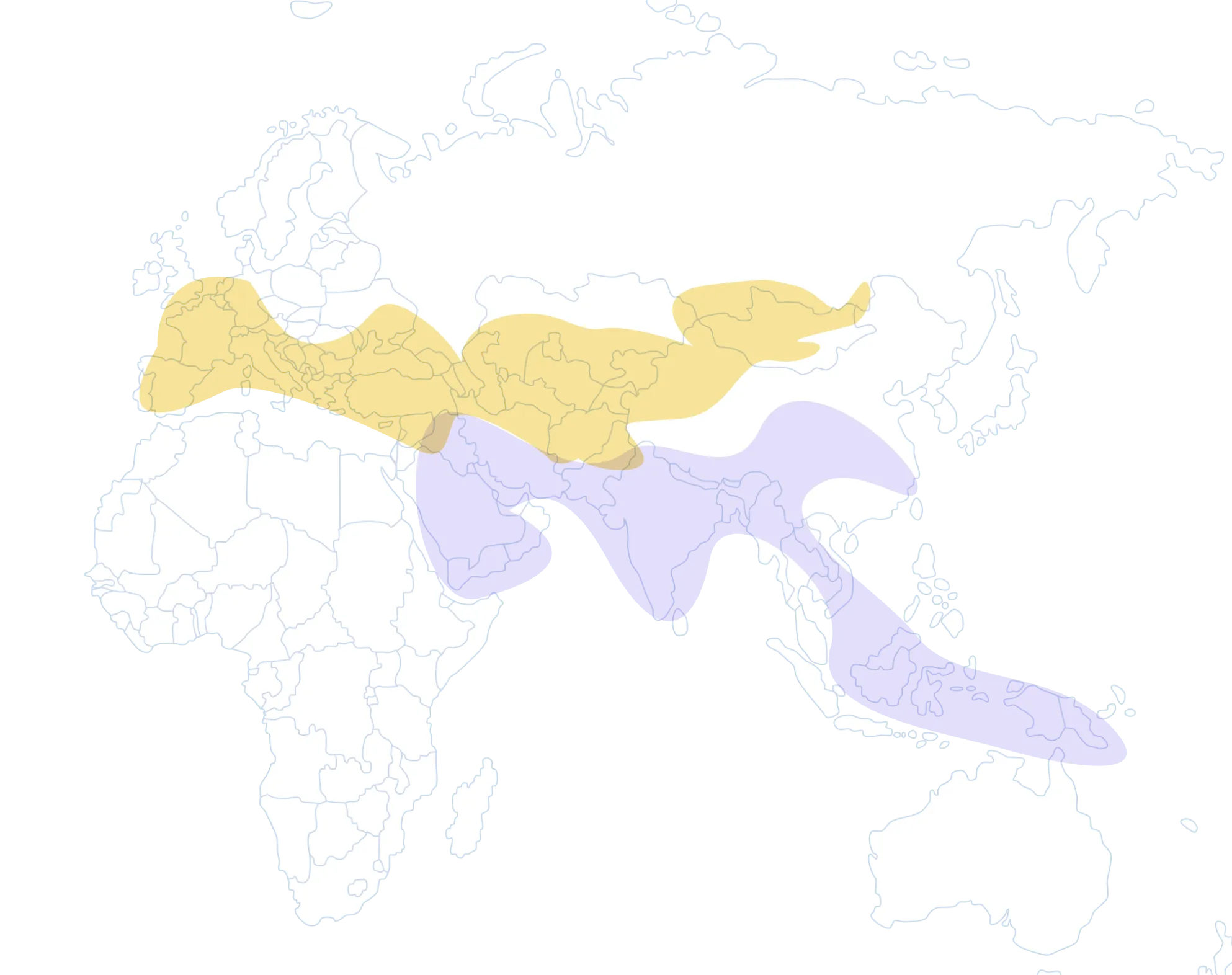
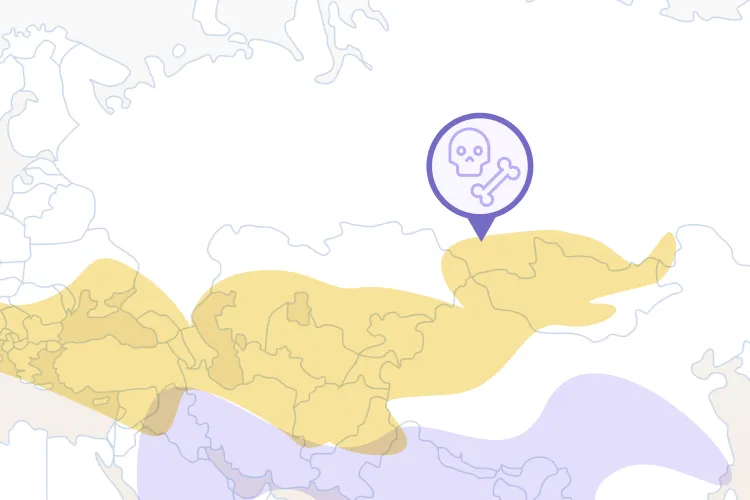
Places of origin of Denisovans and Neanderthals, 50,000 years
ago.



Female skeleton
D. Garrod finds a female Neanderthal skeleton.
Tabun Cave, Mount Carmel, Israel
1/8
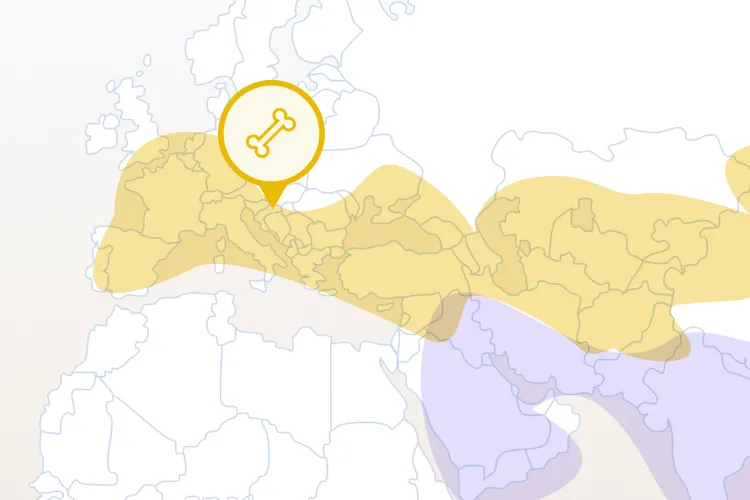
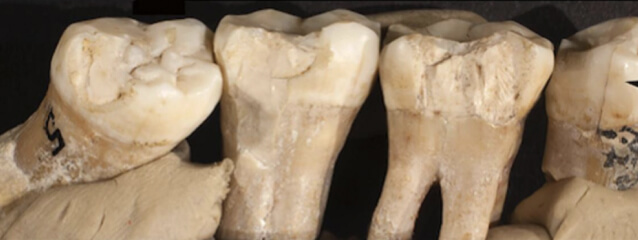
Human tooth
Croatian researcher K. Gorjanovic-Kramberger finds
a human tooth in a cave. Krapina Cave, Croatia
2/8
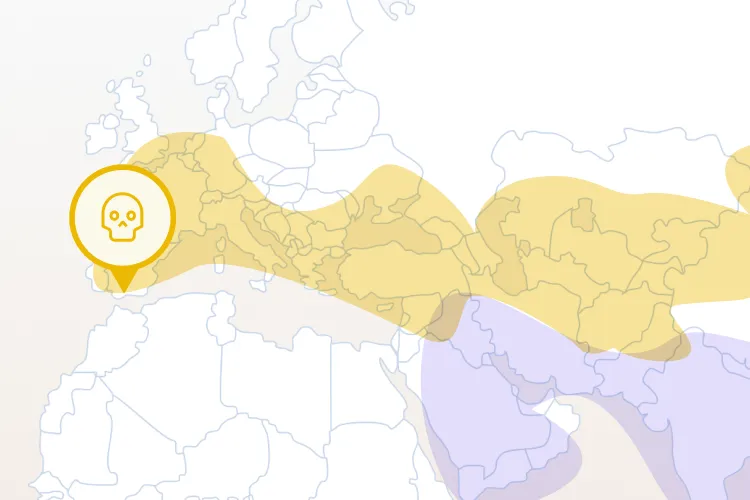
Neanderthal Skull Gibraltar 1
A skull was found during the construction of
fortifications. Forbes Quarry (Forbes Quarry),
Gibraltar
3/8
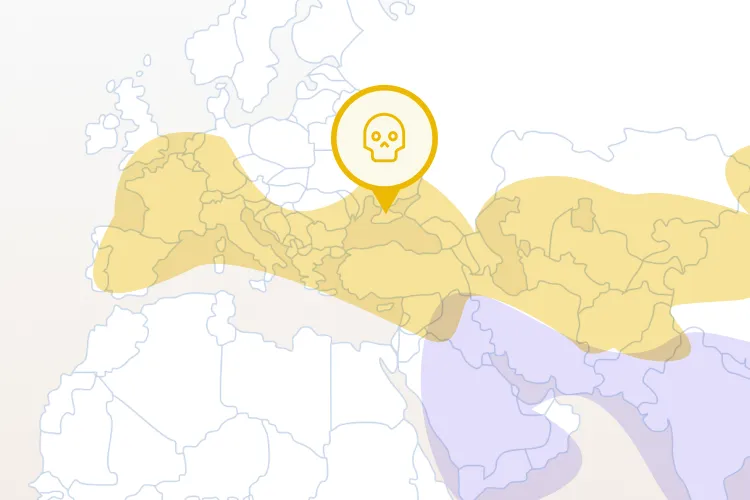
Bones and skeleton
G.A. Bonch-Osmolovsky finds the bones of the limbs
of an adult woman and the skeleton of an infant.
Kiik-Koba Grotto, Crimea
4/8
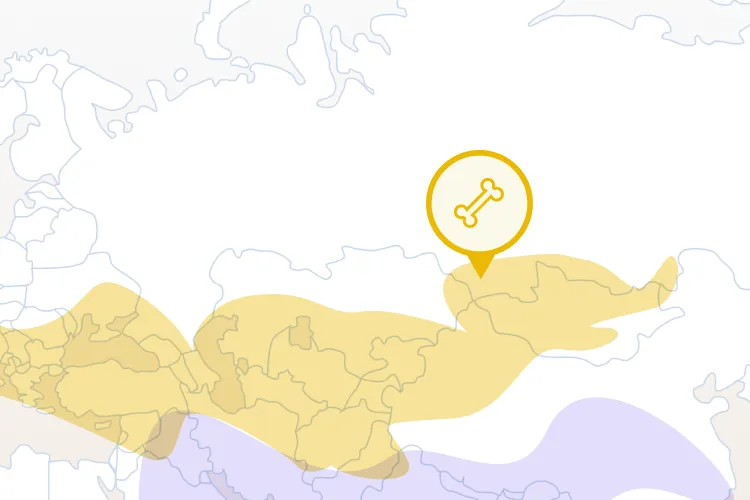
Five teeth
Archaeologists V.T. Petrin and S.V. Markin find
five teeth. Okladnikov Cave, Altai, Russia
5/8
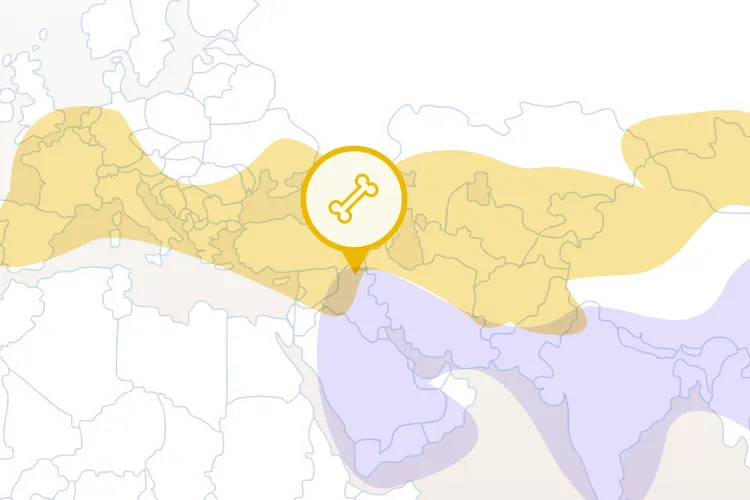
Skeletal remains
Skeletal remains of nine Neanderthals – seven
adults and two infants. Shanidar Cave, Iraq
6/8
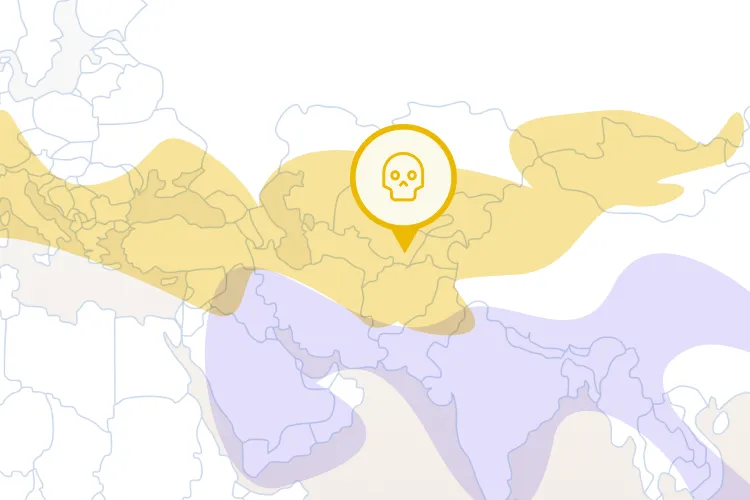
Skeletal remains
A.P. Okladnikov finds skeletal remains of a child.
Teshik-Tash Cave, Uzbekistan
7/8
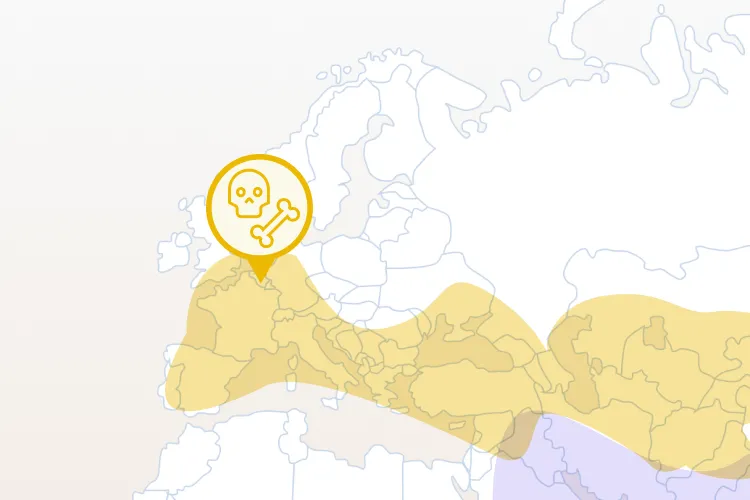
Neanderthal Skull Engis 2
F.-S. Schmerling finds several human bones,
including a severely fragmented skull of a
2-3-year-old child Anzhi Cave, Belgium
8/8
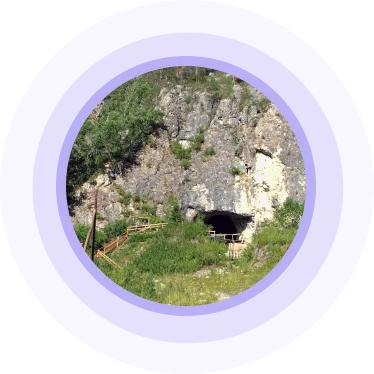
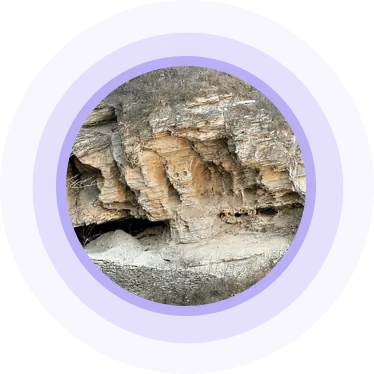
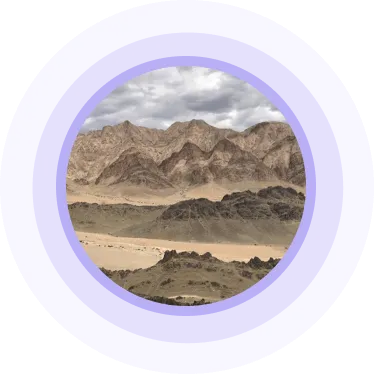
Denisova cave
Bone fragments of the Denisova hominin originate
from the cave, including artifacts dated to around
50,000 to 30,000 years ago.
1/5
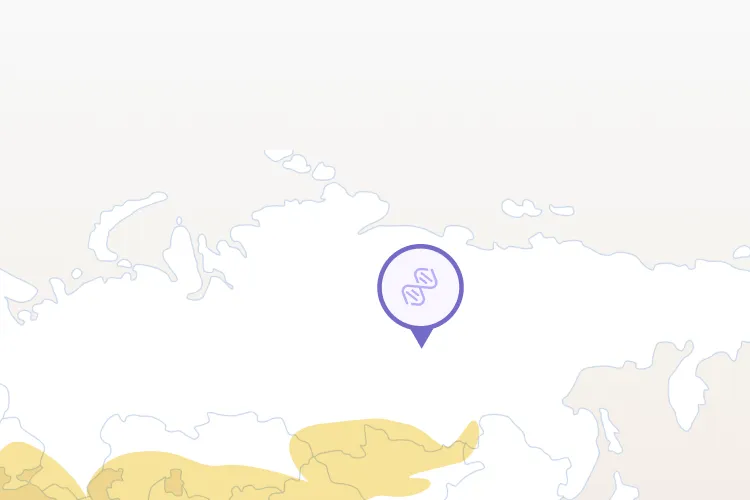
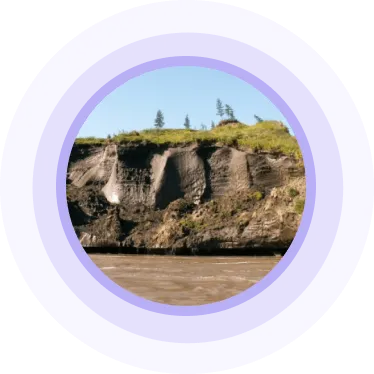
Denisovan DNA (Yanskaya parking)
Fragments of Denisovan DNA were found in the
genomes of Homo sapiens from the Yanskaya parking
lot (Yakutia)
2/5
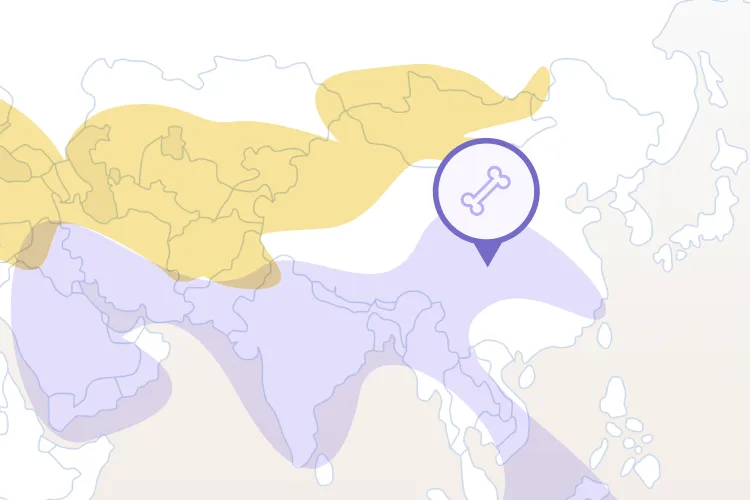
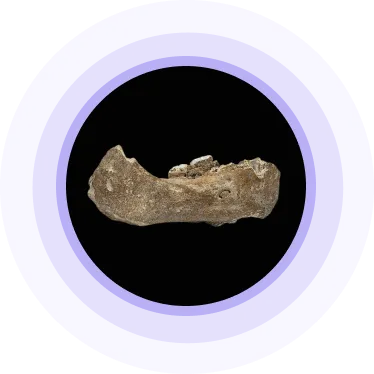
Xiahe mandible
Hominin fossil jaw (mandible) discovered in
Baishiya Karst Cave, located on the northeastern
edge of the Tibetan Plateau.
3/5
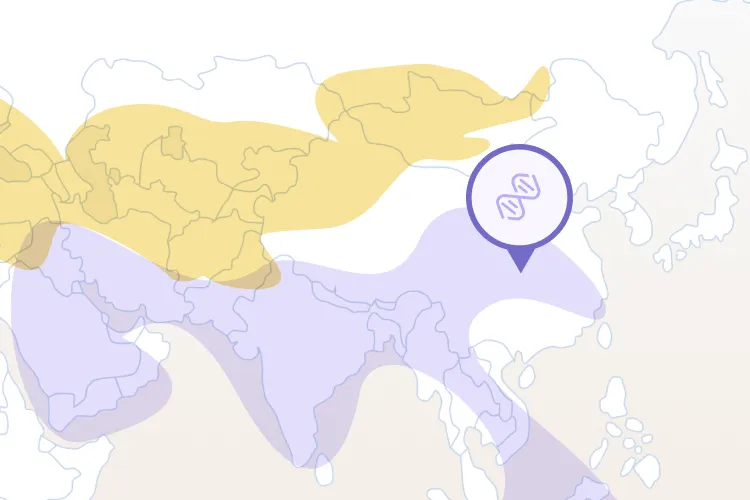
Denisovan DNA (Tianyuan)
Fragments of Denisovan DNA were found in the
genomes of Homo sapiens from Tianyuan (China)
4/5
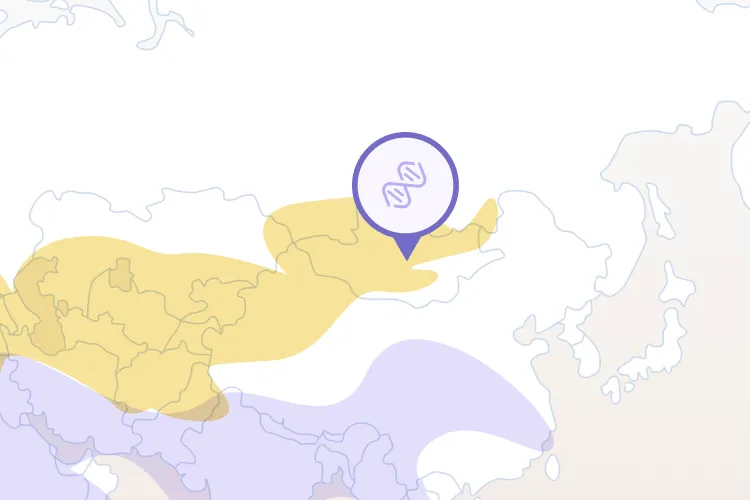
Denisovan DNA (Salkhit)
Fragments of Denisovan DNA were found in the
genomes of Homo sapiens from Salhit (Mongolia)
5/5
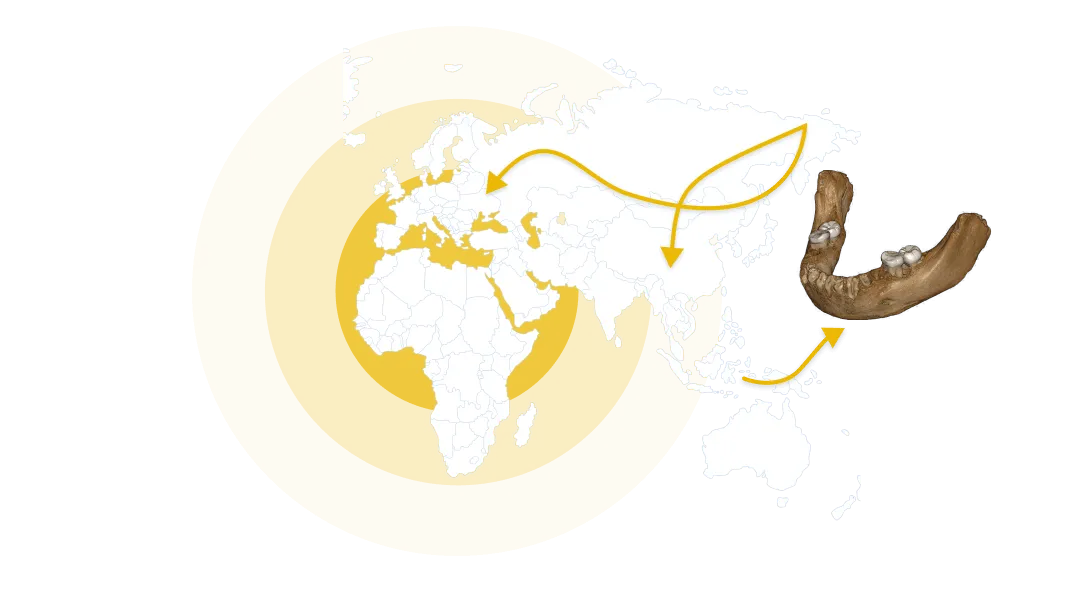
More details than ever
Discover new information about your ancestors and their
history
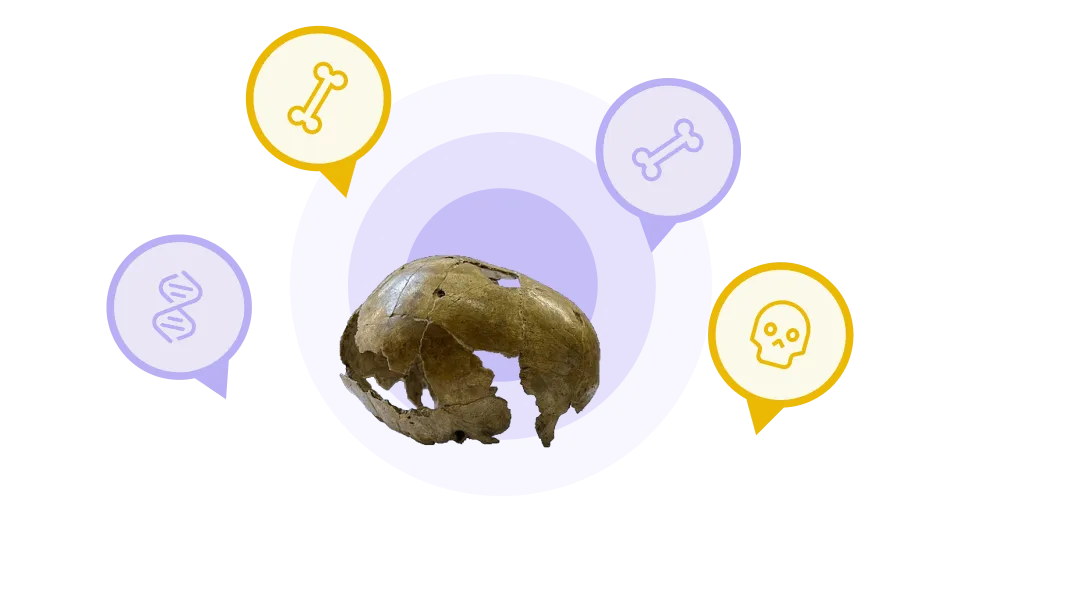
Dive into unique content
Piece together your story exploring the content created by
leading population genetics authors
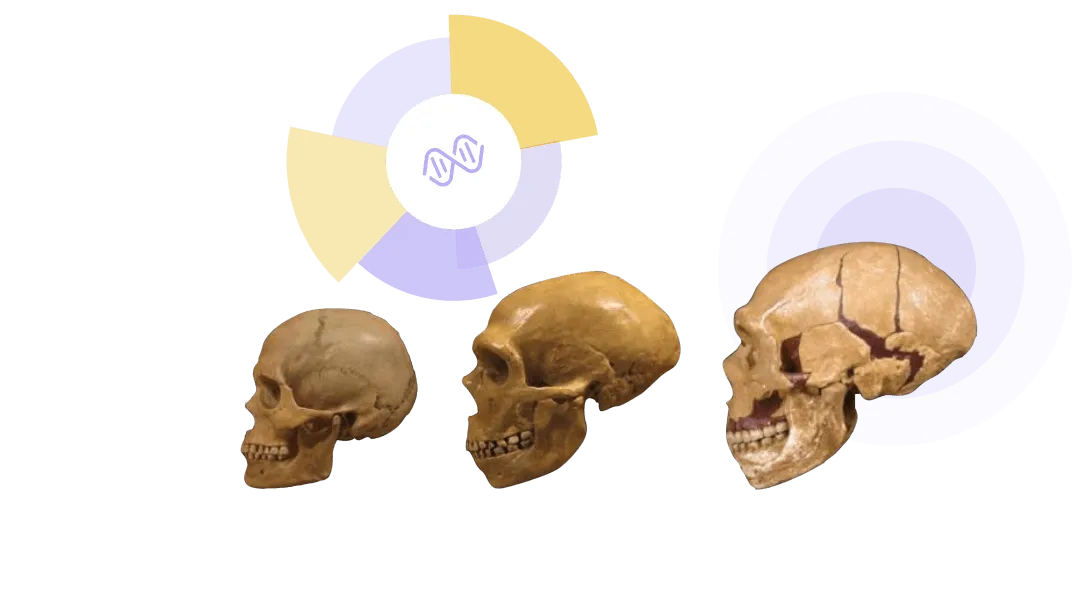
Backed by science
Genetic testing results you can trust, based on evolving
genomics research