








Know more about your Asian ancestry!
You can now learn about your Asian roots with our brand new Asian ancestry report
The report is available for Genomelink users
19 Asia-specific labels — the most detailed Asian report yet
With 19 Asia-specific labels, this report gives you the most detailed Asian report yet.
Siberian
Dai
Vietnamese
Burmese
Levantine
Turkic
Han
North Indian
South Indian
South Indian Pastoralist
Melanesian
East Indian Tribal
South Indian Tribal
Austronesian
Japanese
Eastern Negrito
Western Negrito
Himalayan
Korean

Siberian


Dai


Vietnamese


Burmese


Levantine


Turkic
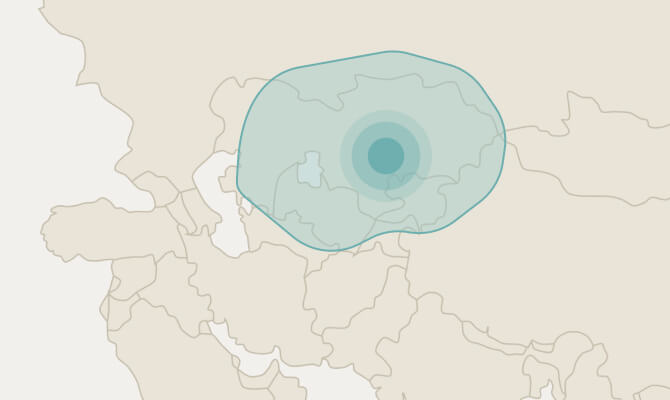

Han


North Indian
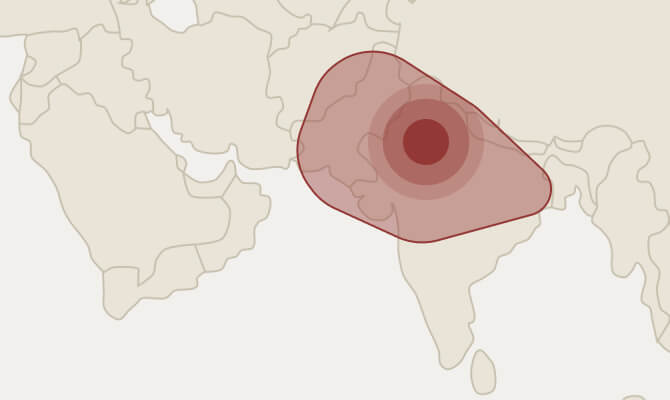

South Indian


South Indian Pastoralist


Melanesian


East Indian Tribal
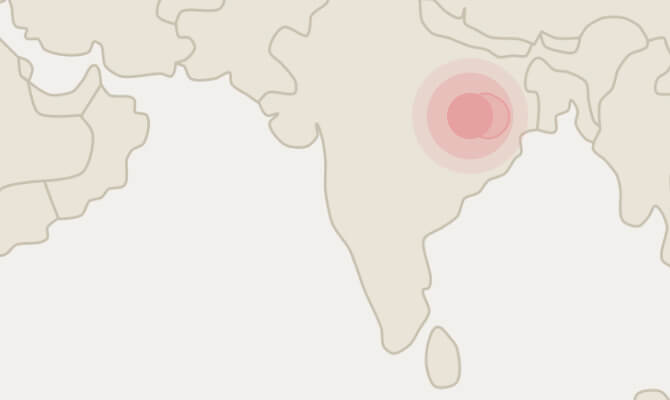

South Indian Tribal


Austronesian


Japanese


Eastern Negrito


Western Negrito
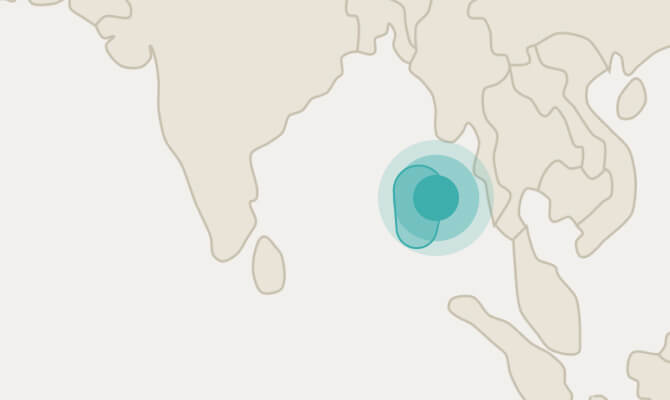

Himalayan


Korean

/
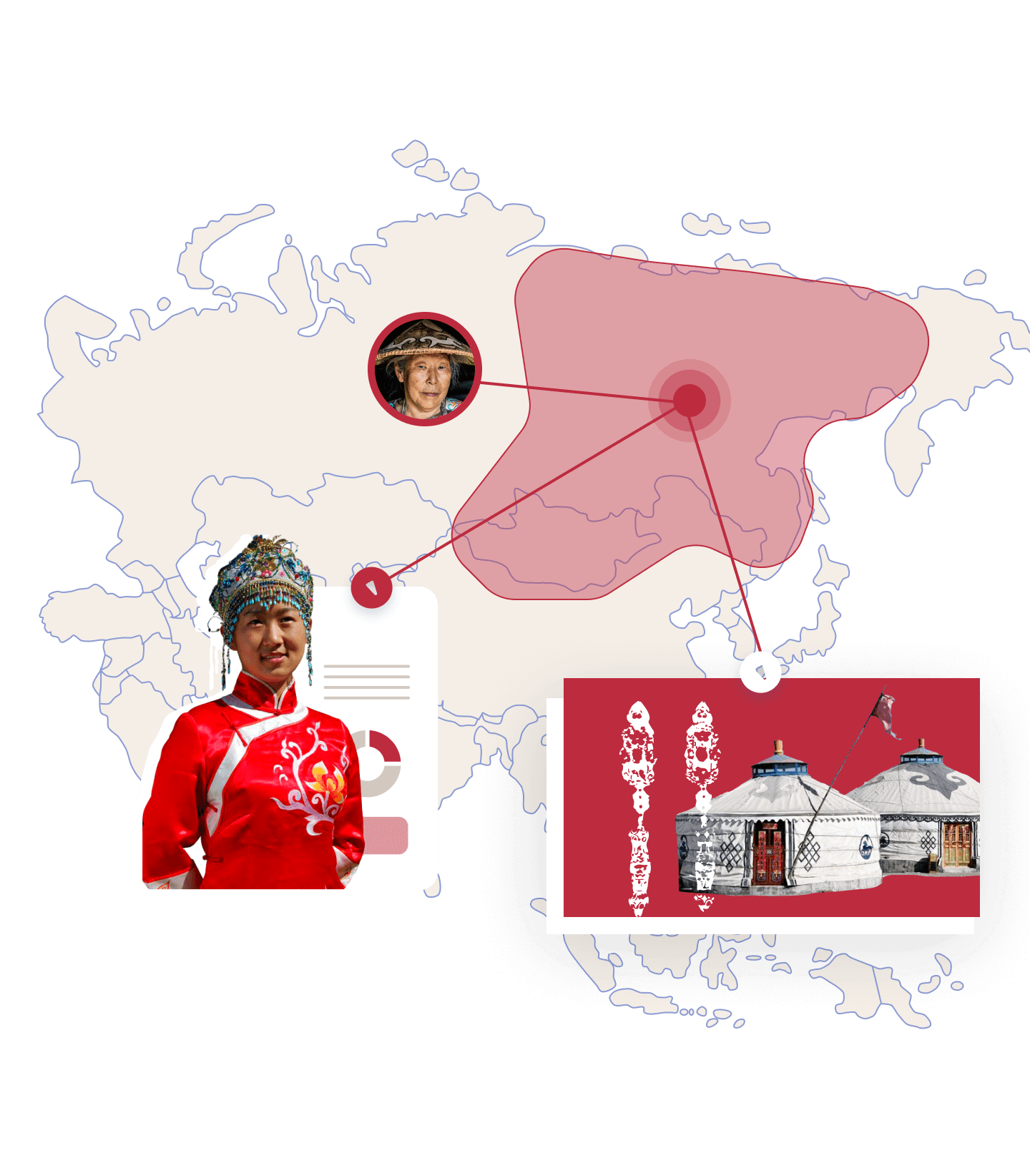


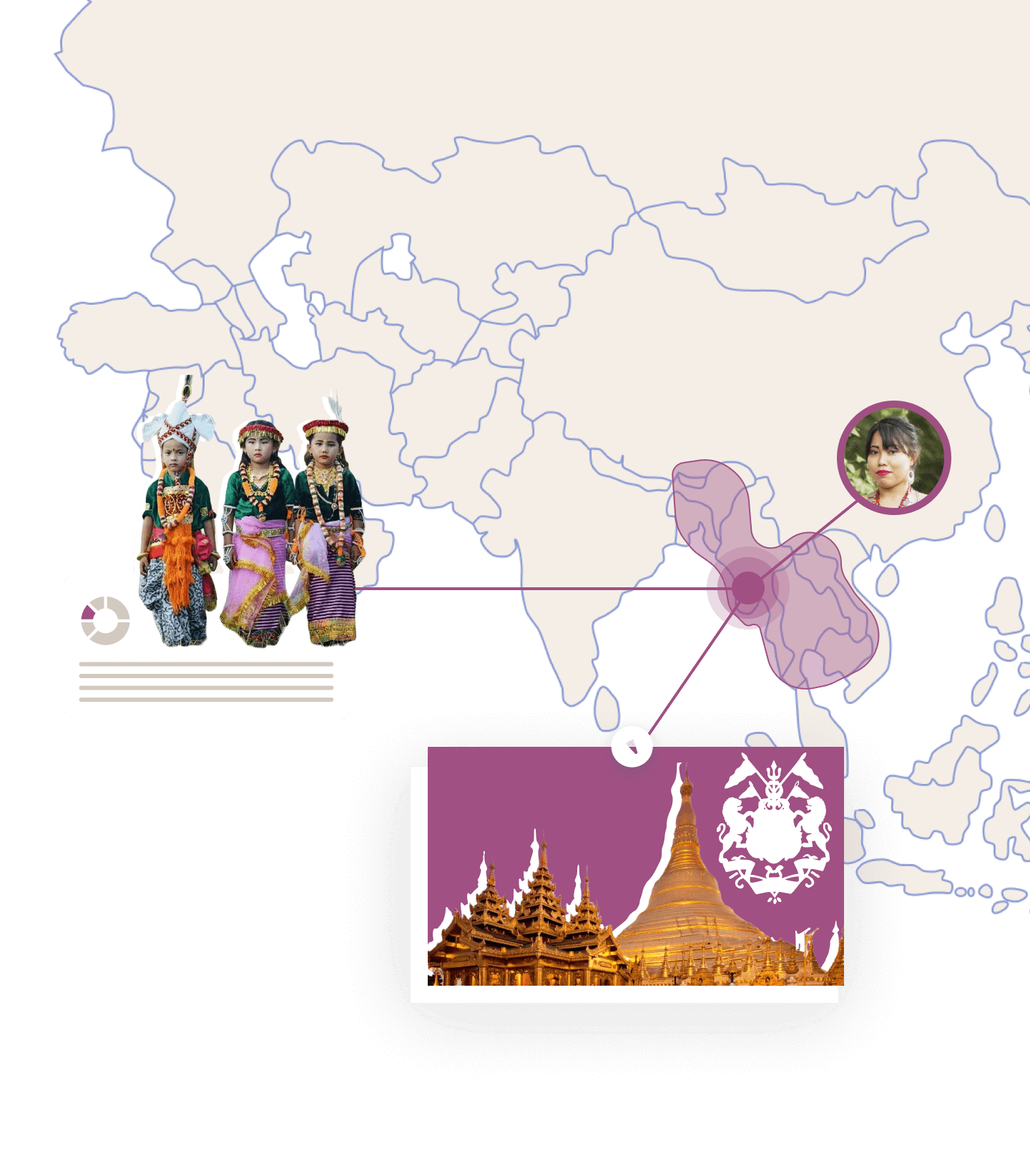
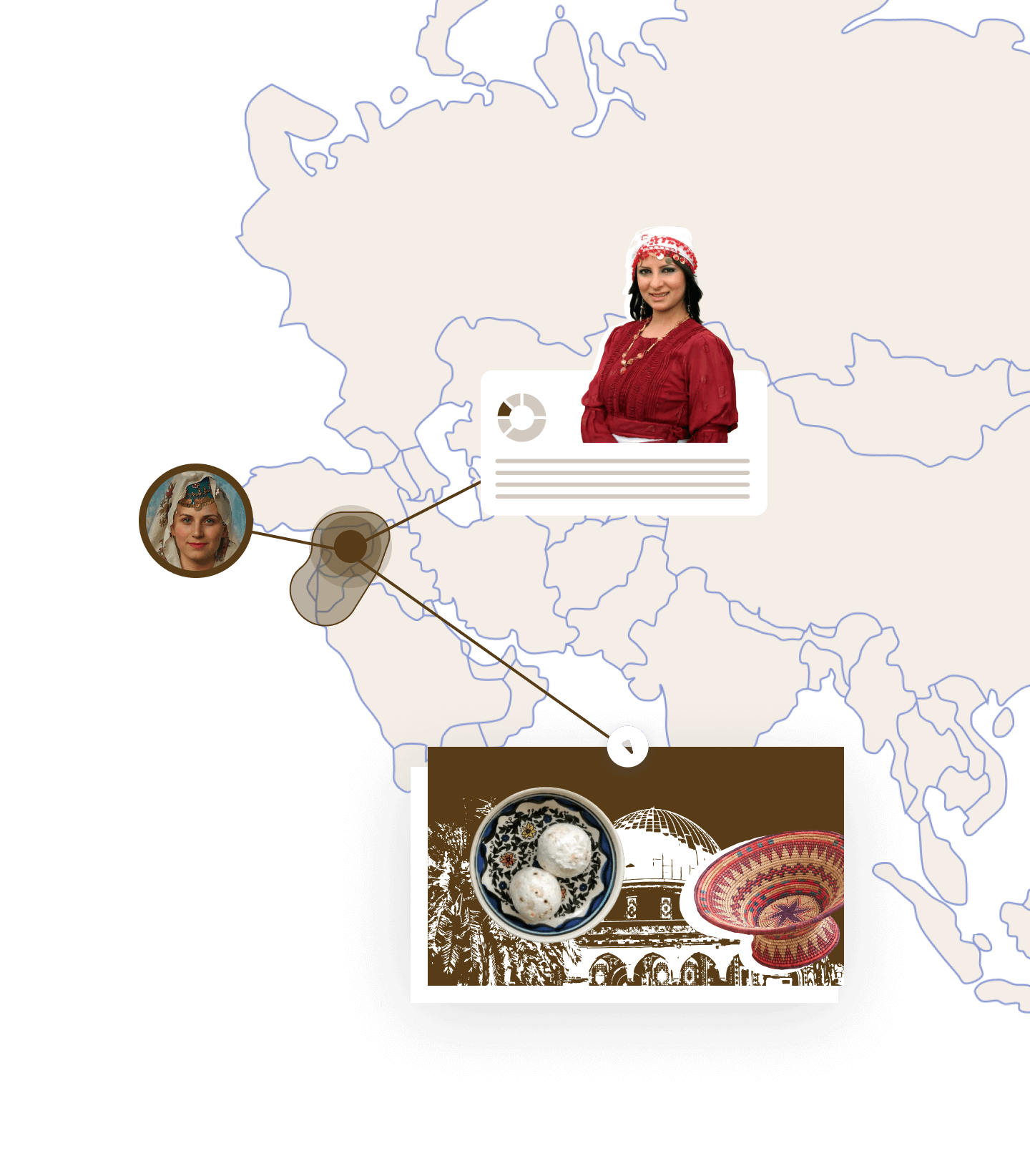
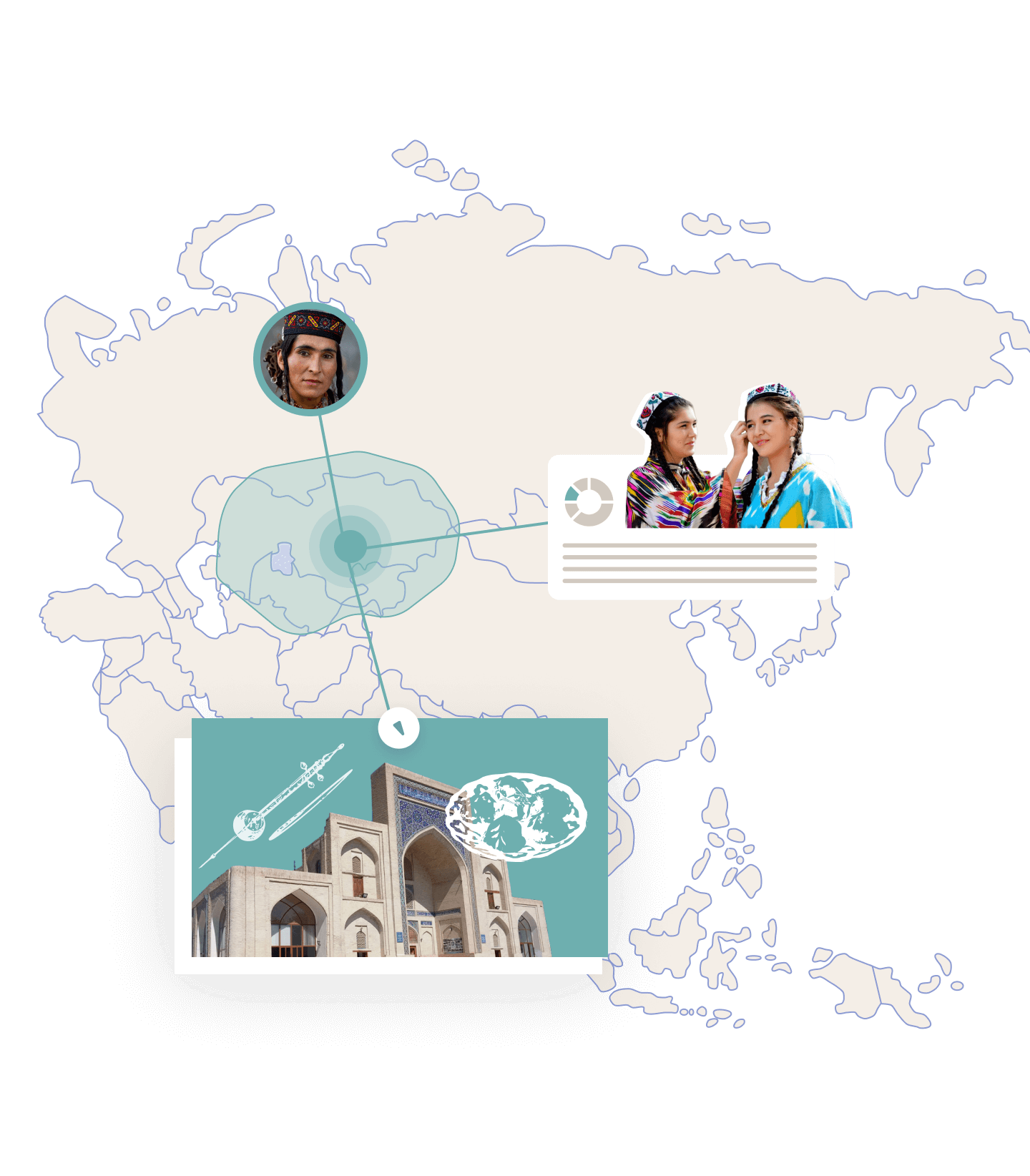
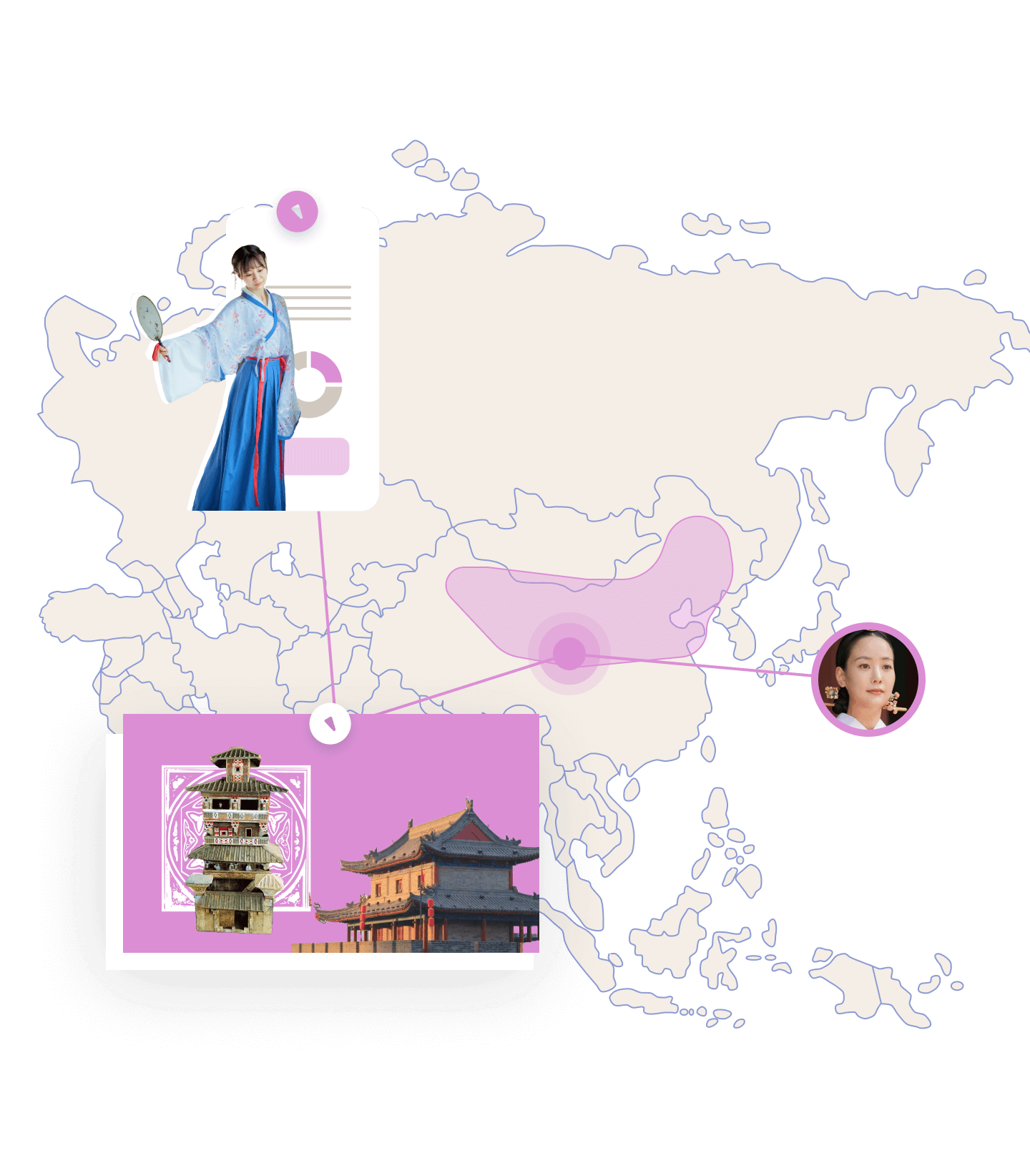
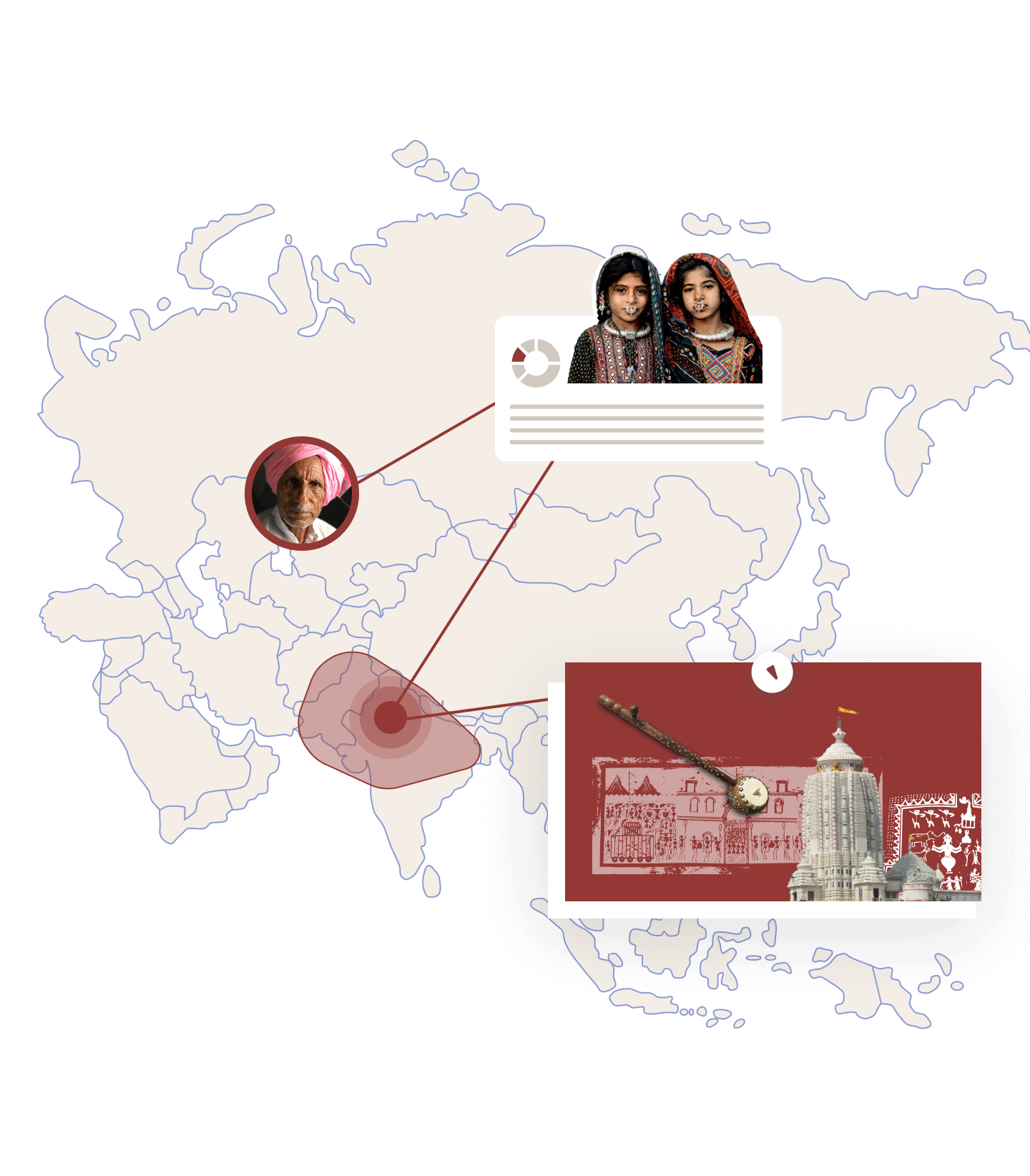
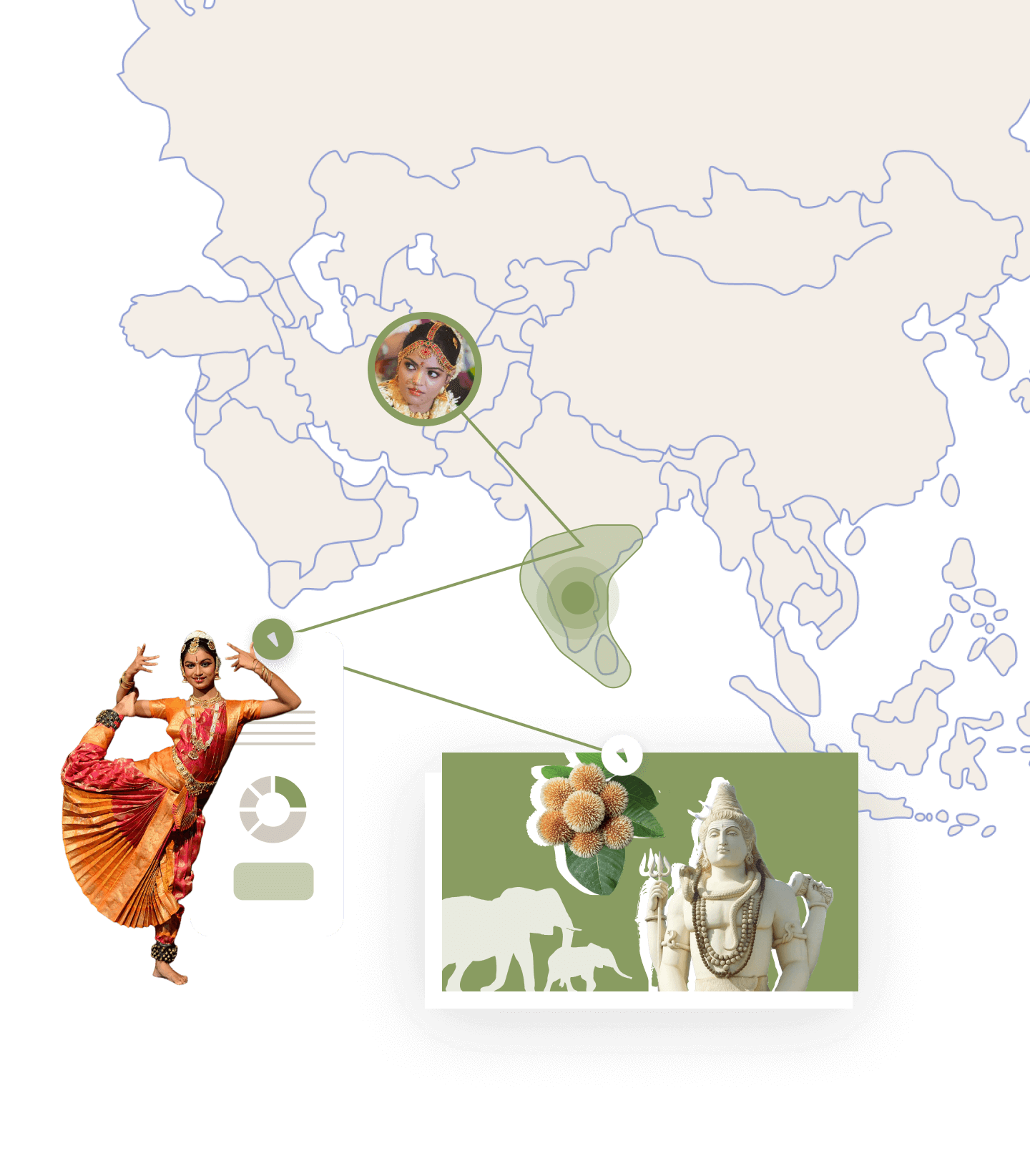
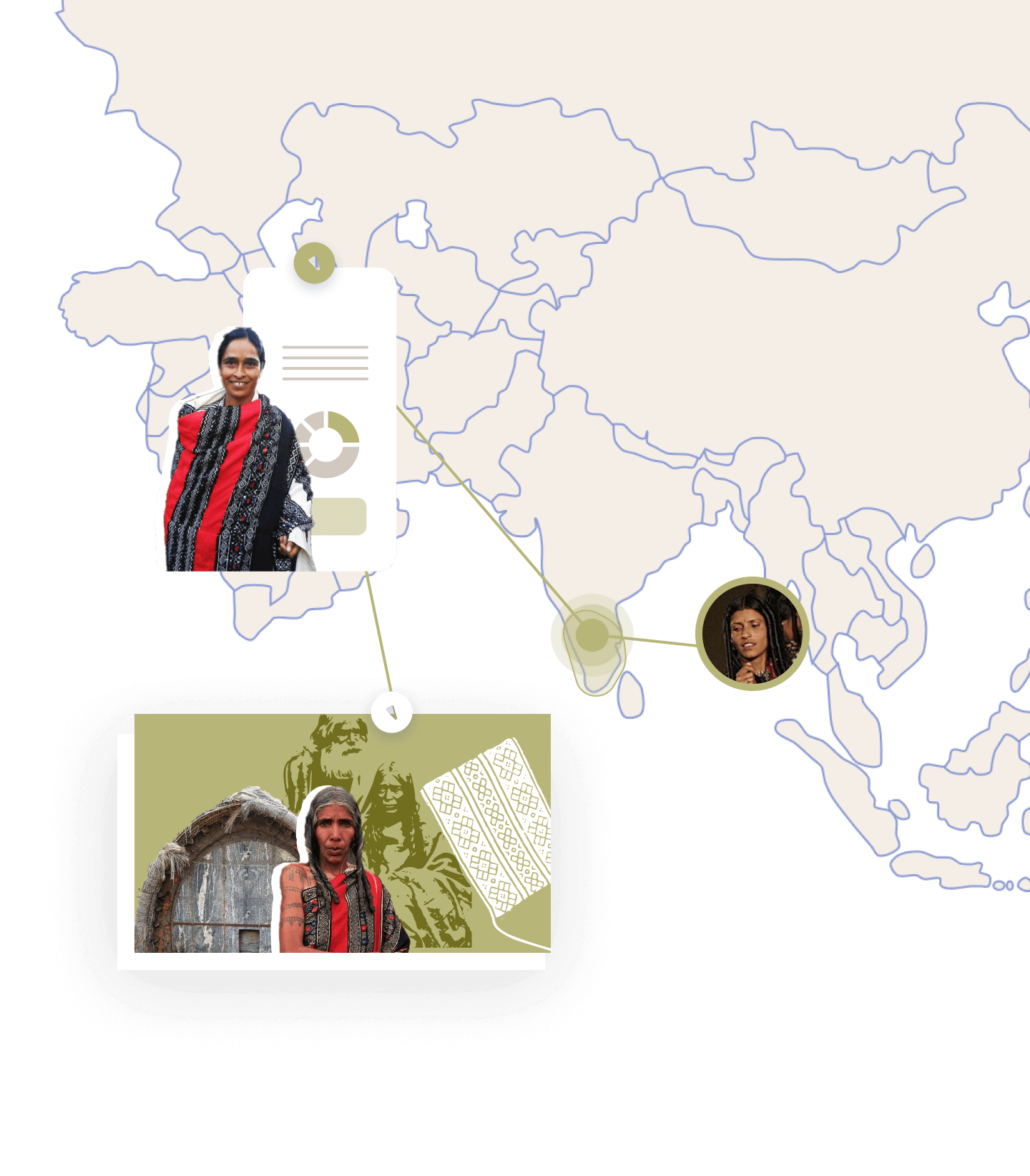
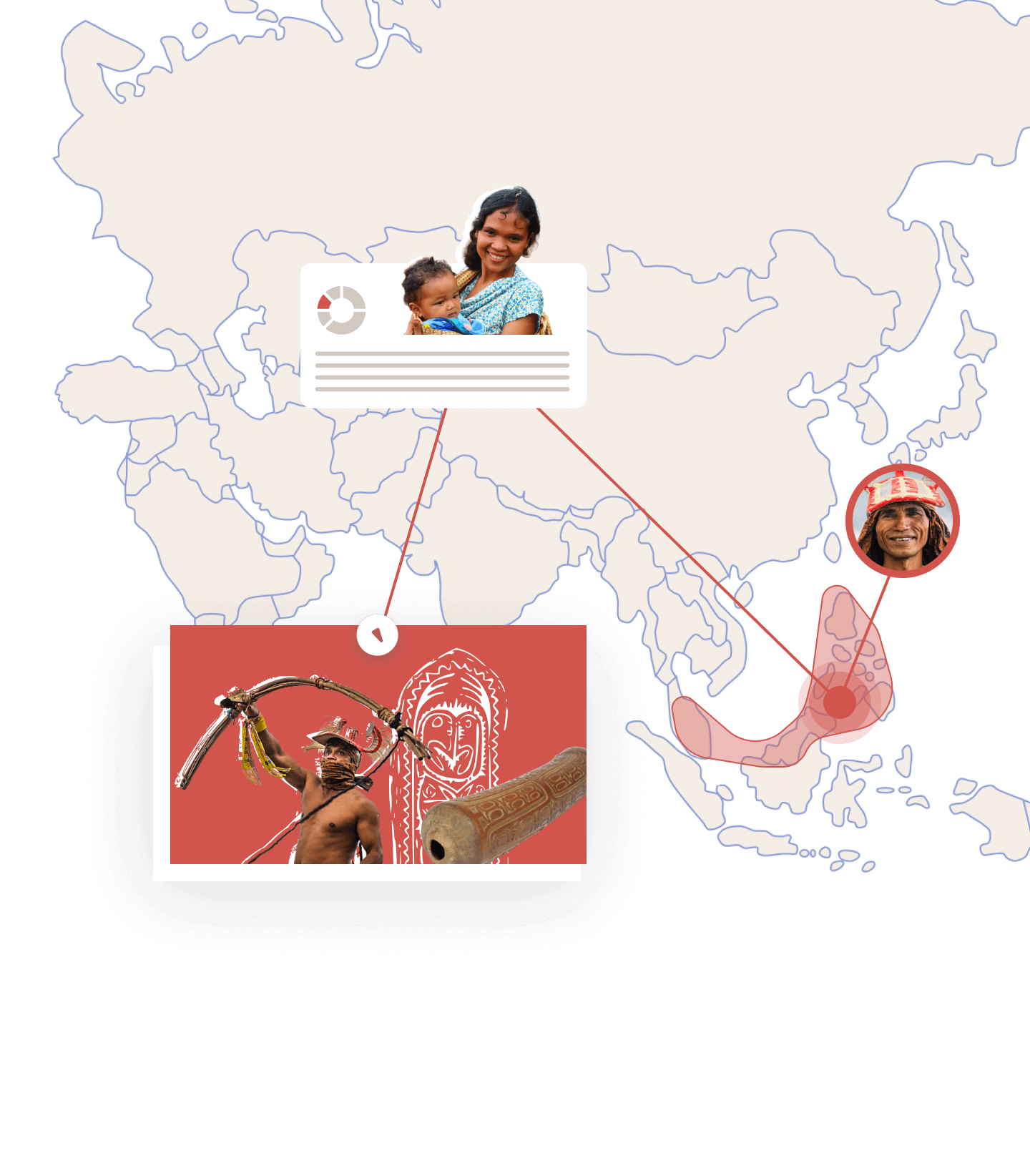
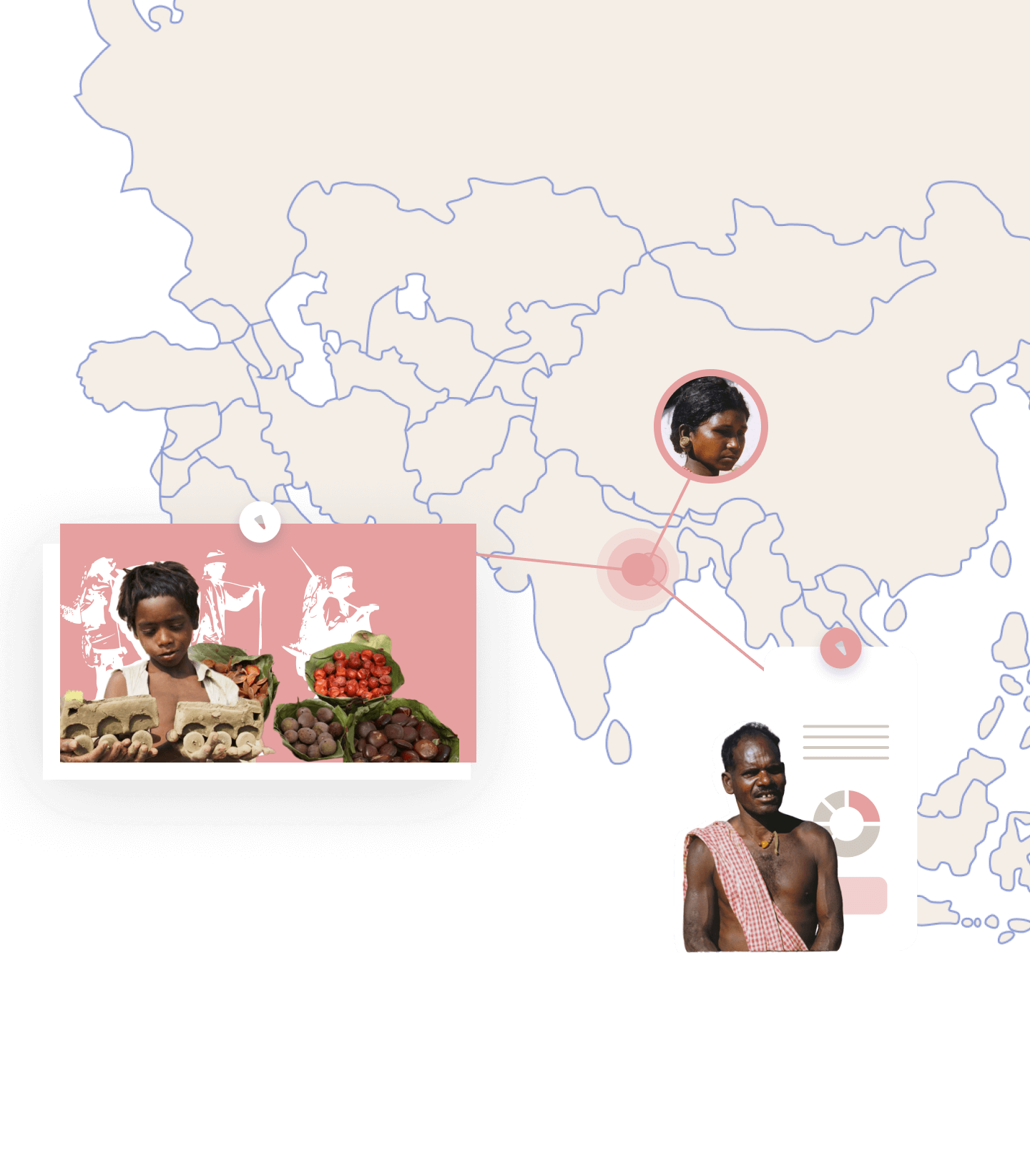
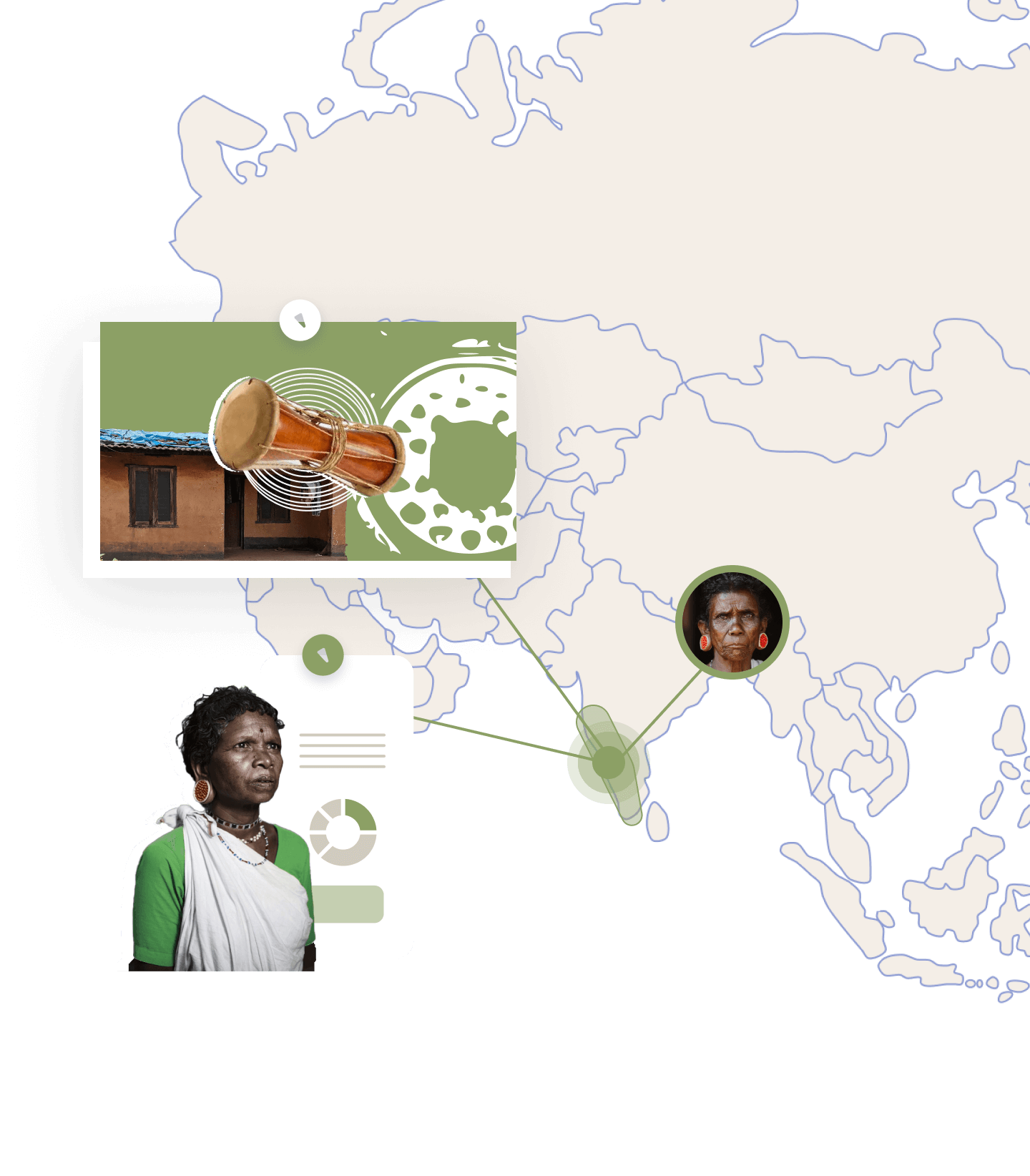
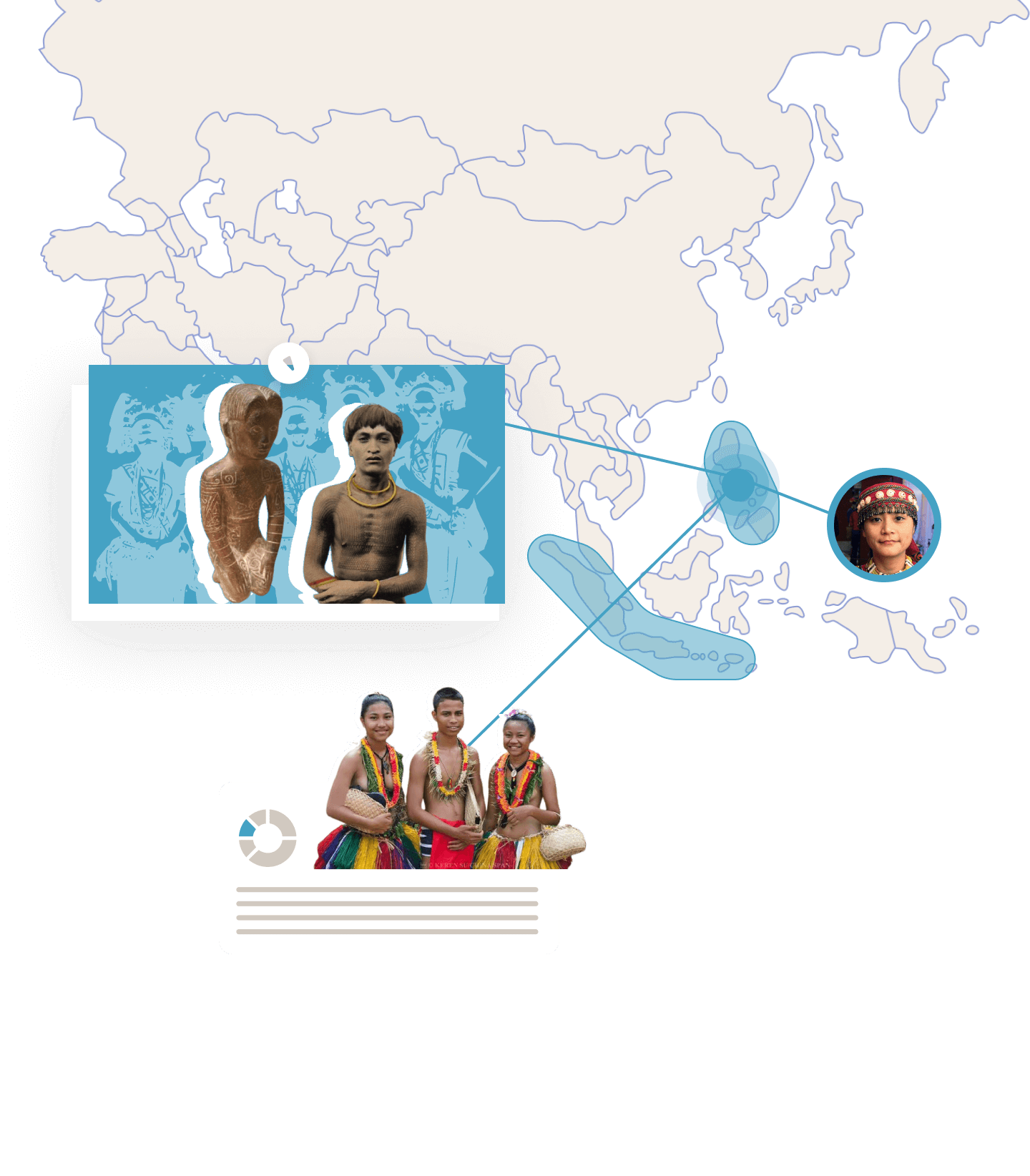
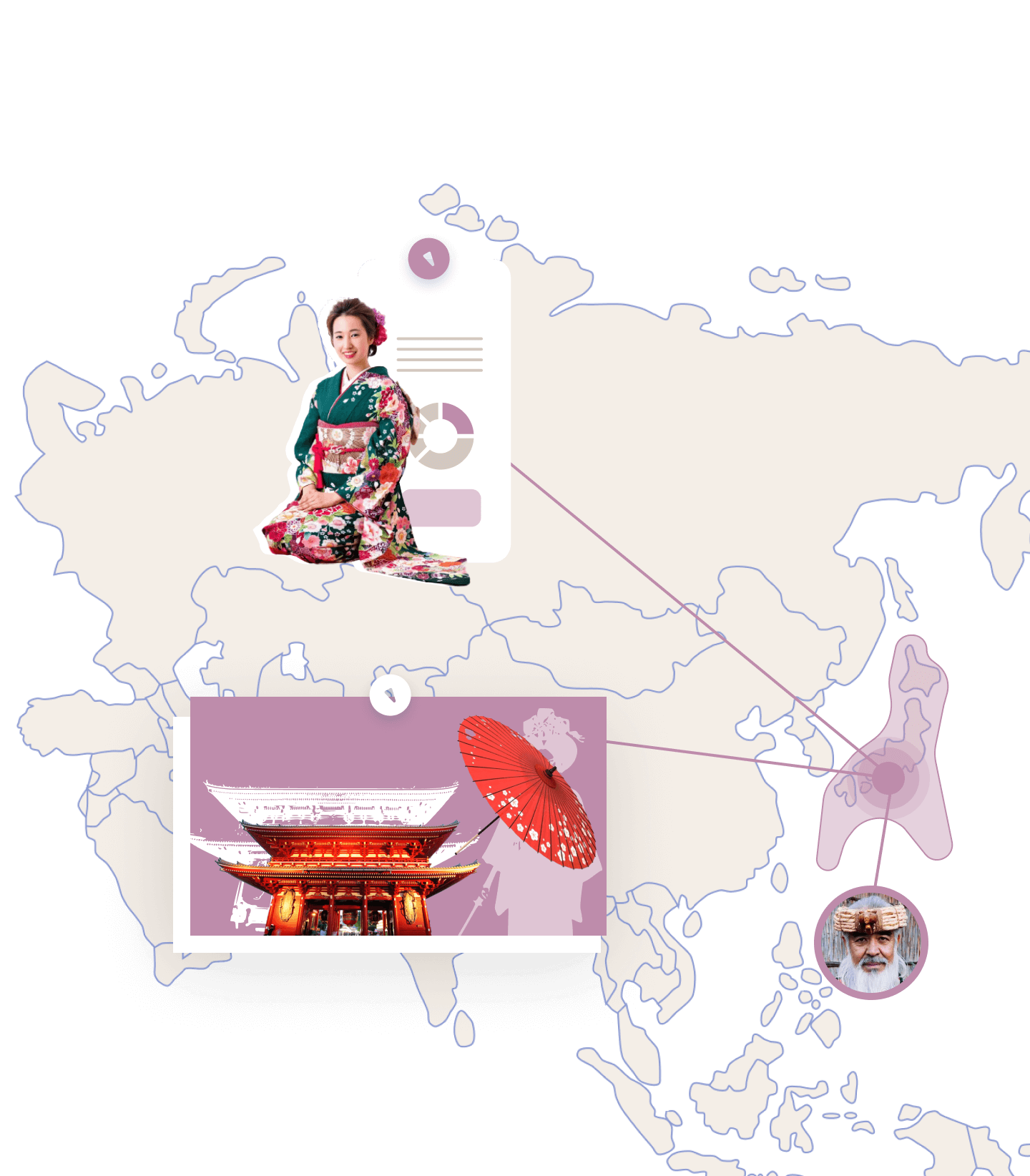
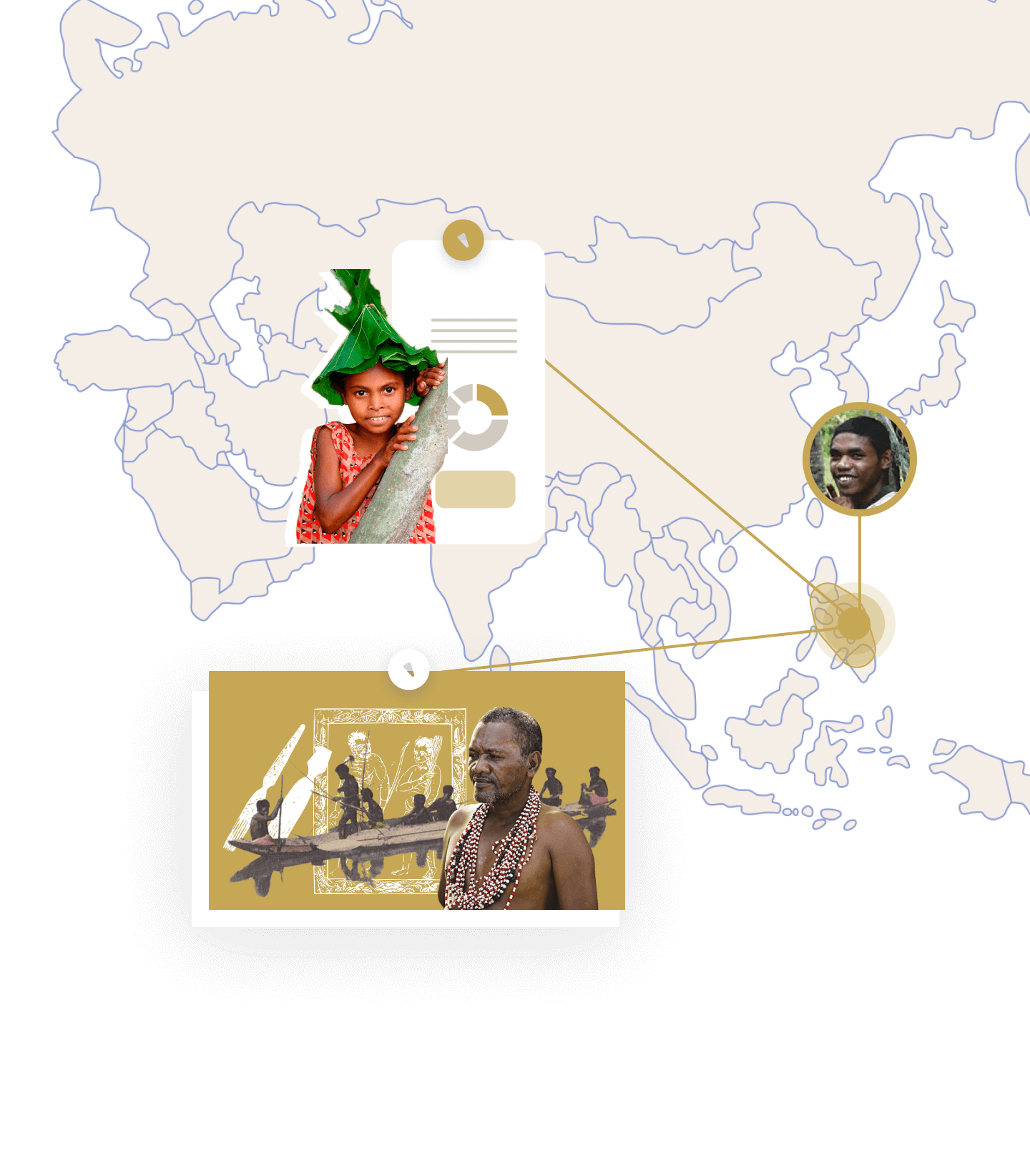
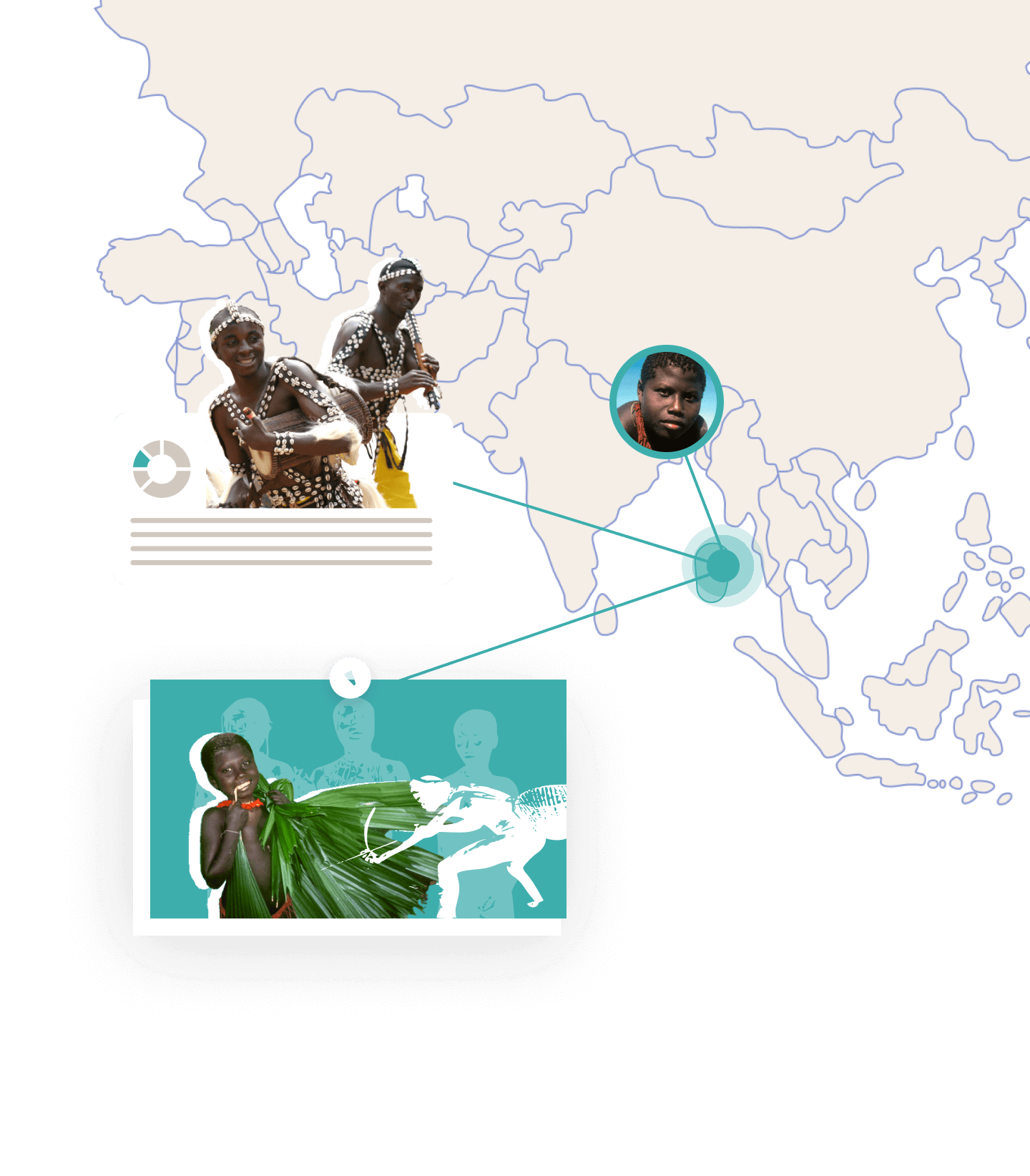
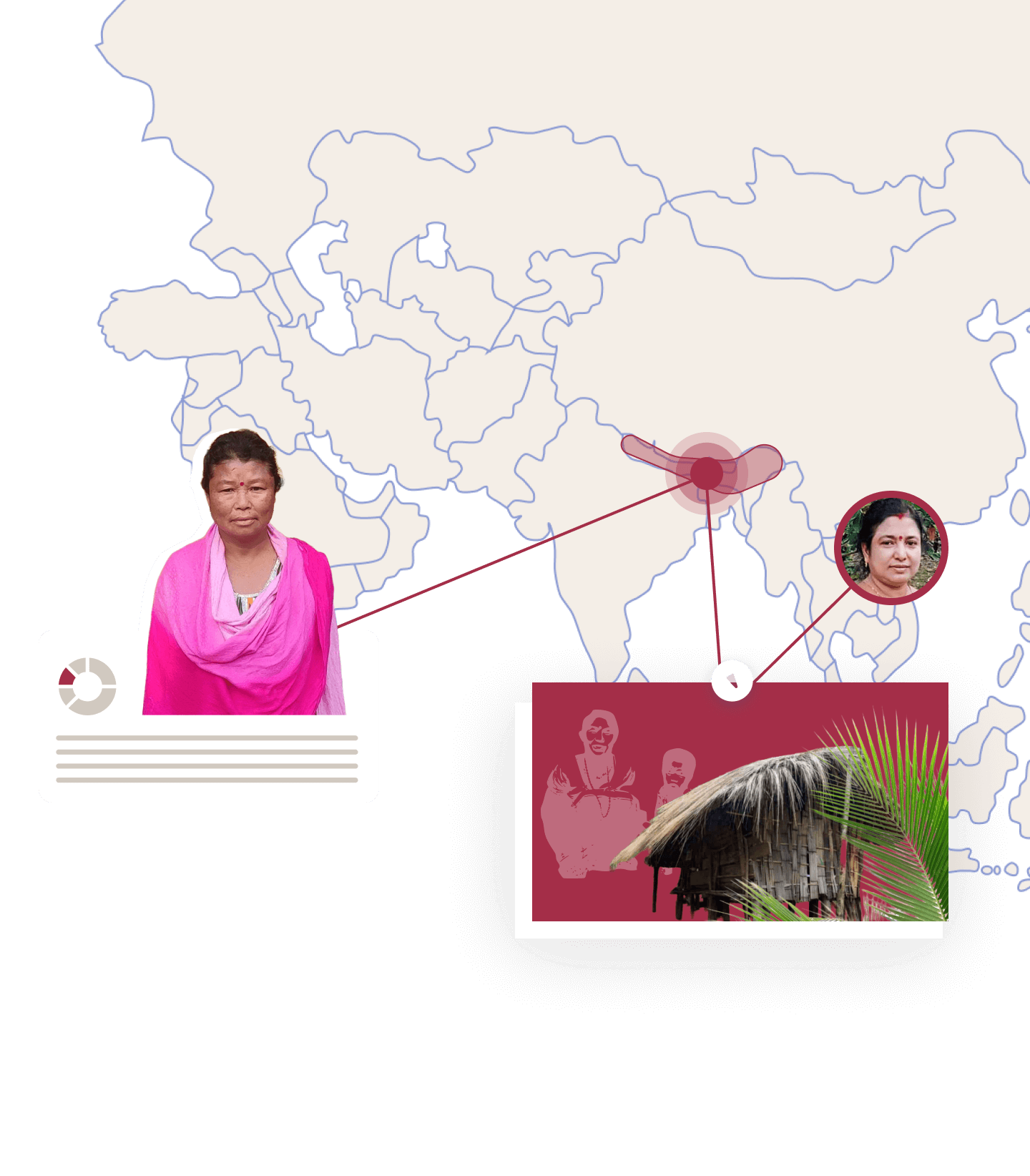
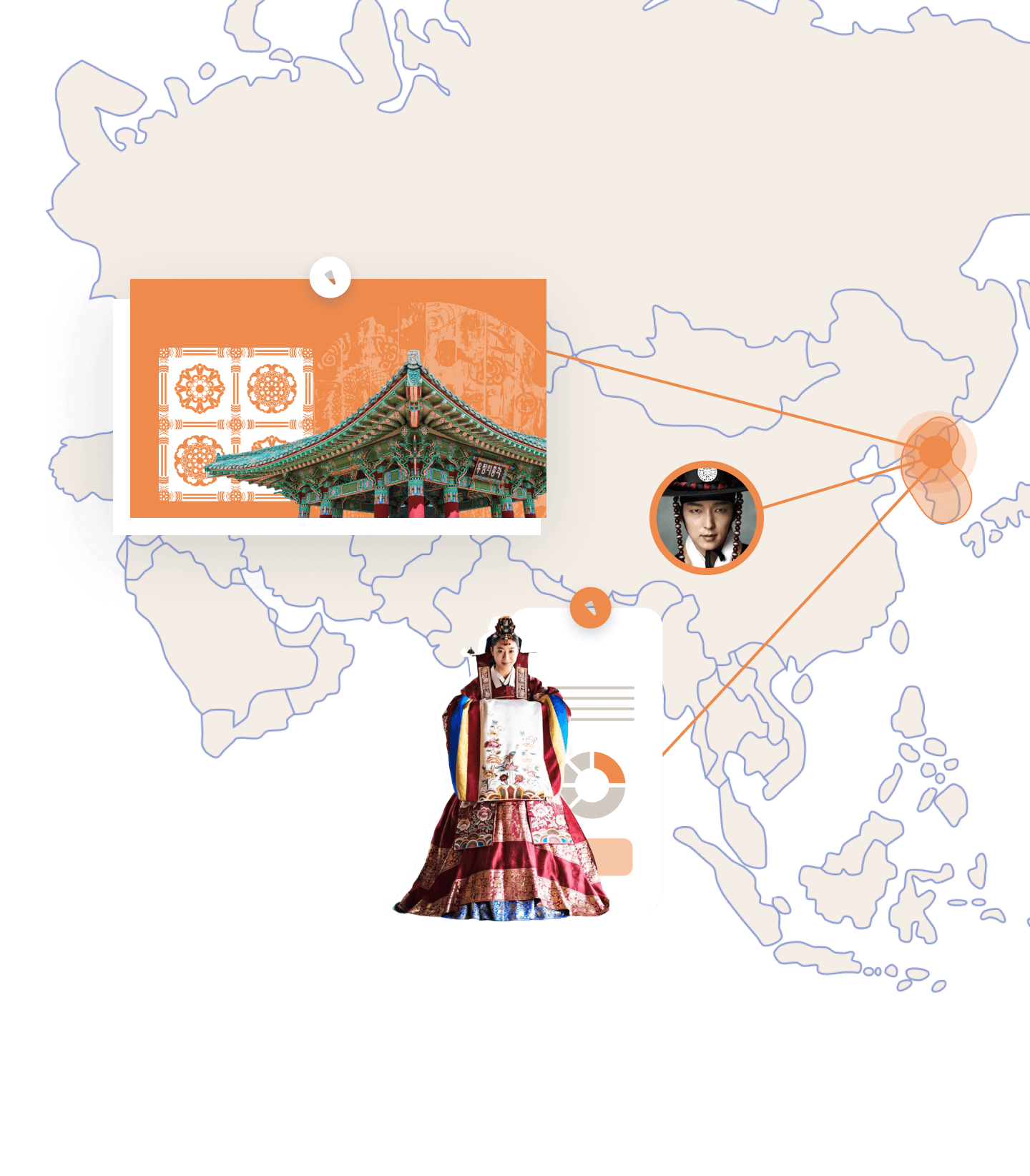
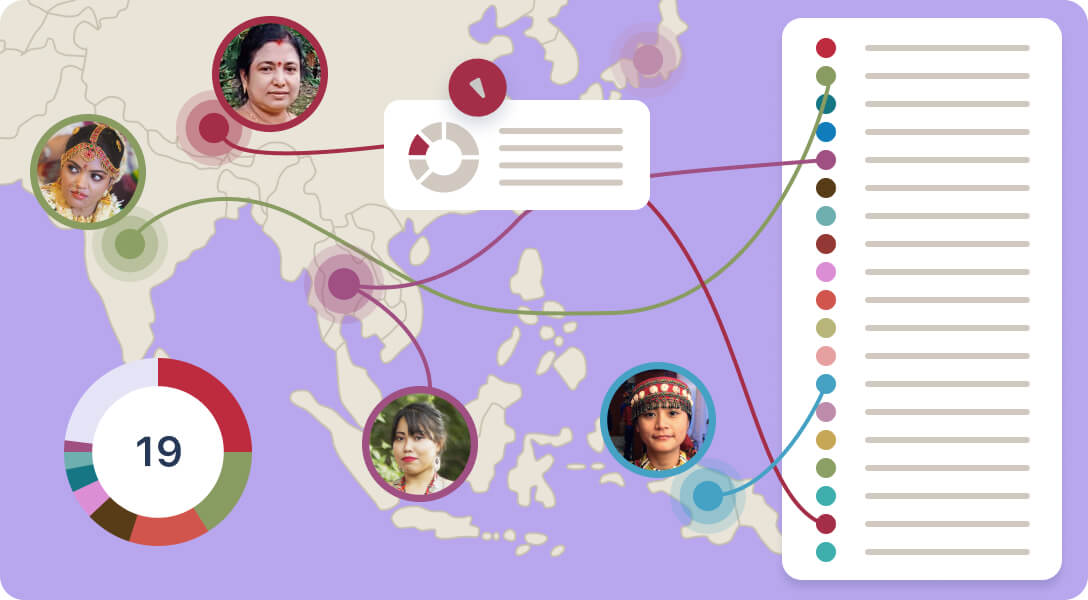
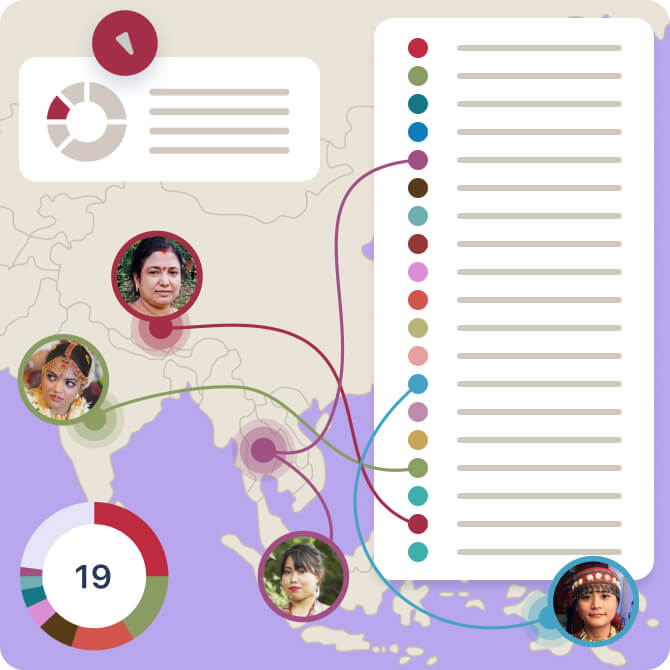
Detail oriented labels
Explore 19 labels from all over Asia to determine your exact Asian heritage. Deep dive into the history of each label represented in the report.


Expert-led scientific ancestry analysis
We bring you the most comprehensive Asian report from the experts in genealogy and ancestry.


Interesting and engaging content
This report will also give you details of the location, traditions, history, culture and much more of the Asian groups you belong to all based on your genetics!



Backed by science

Carlos D. Bustamante
Dr. Carlos D. Bustamante is an internationally recognized leader in the application of data science and genomics technology to problems in medicine, agriculture, and biology. He was
named a MacArthur Fellow in 2010,and currently Professor of Biomedical Data Science, Genetics at Stanford University.

Alexander Ioanidis
Dr. Alexander Ioannidis (PhD, MPhil) is a research fellow in the Stanford School of Medicine (Department of Biomedical Data Science), his work
focuses on applying computational methods to problems in genomics and population genetics.

Razib Khan
Razib Khan is a geneticist and public intellectual who has worked in personal genomics in the private sector. have written for publications that include The New York Times, MIT
Technology Review, City Journal, National Review & The Guardian, on a broad range of topics.
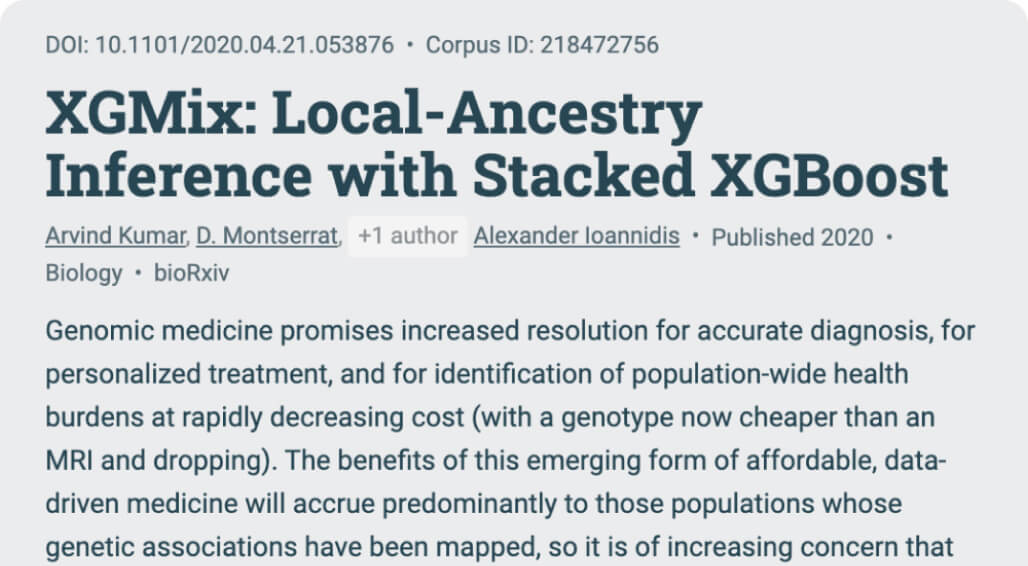
The authors present a new simple, accurate, and easily trained methods for identifying and annotating ancestry along the genome (local ancestry). This method (XGMix) based on gradient
boosted trees, which, while being accurate, is also simple to use, and fast to train, taking minutes on consumer-level laptops.
Scientific paper PDF
Find out more about your Asian heritage
join now